
This is the third post of my Japan series. For the practical planning side (airport trains, Suica cards, reservations), see the planning hub.
Tokyo
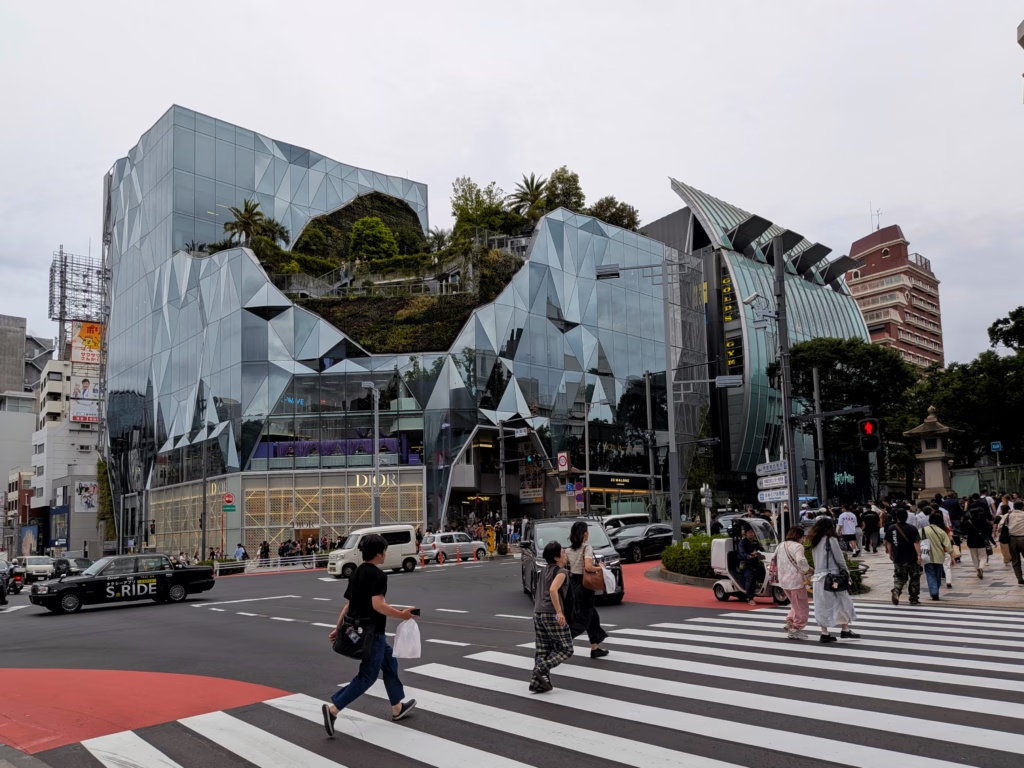
I assume many of you already know the famous places: Tokyo Tower, Shinjuku (新宿), 原宿 (Harajuku), Shibuya, 浅草寺 (Sensō-ji), and so on. But Tokyo is big – and actually difficult to get around quickly. My suggestion: stay several days if you want to see all of them and you can afford the time; otherwise, pick only the most interesting ones for a single trip.
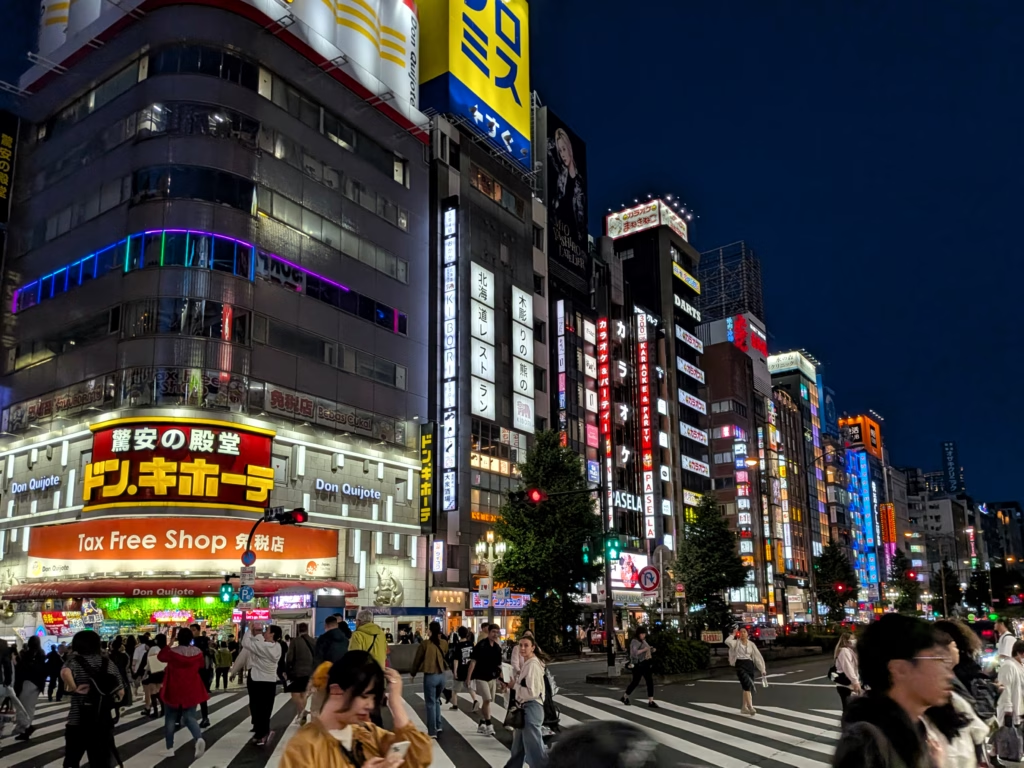
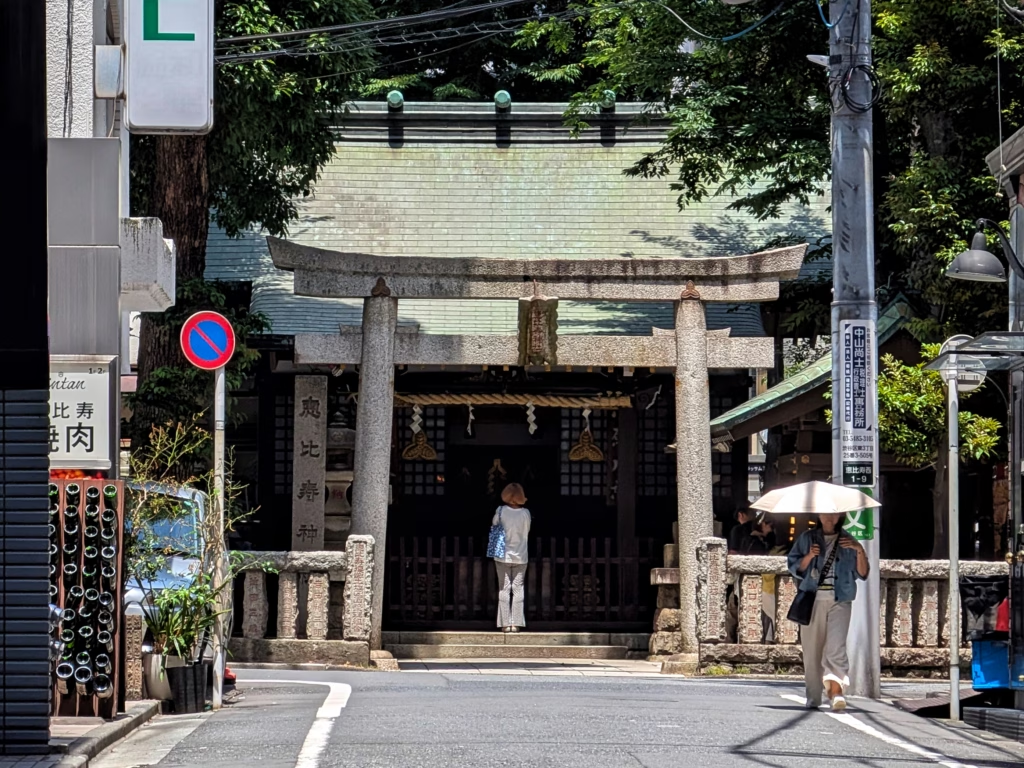
Most tourists probably know Shibuya and Shinjuku from Lost in Translation. Indeed, these are the most prosperous areas in Tokyo, and they are shopping paradises. The lights at night really do put you inside the movie. However, hotels in these popular areas are quite expensive – so here’s what I did instead: I picked a hotel near Ebisu, a station with multiple direct connections to Shinjuku. In about 15 minutes I could reach all the popular places, and the hotels are simply better for the same price.
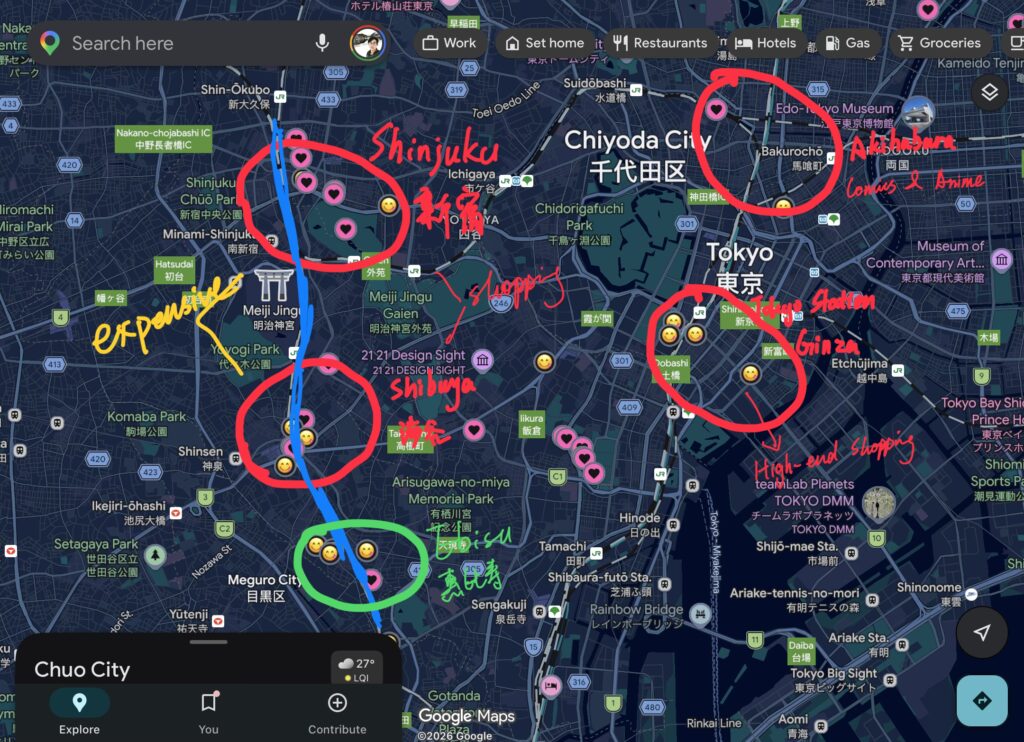
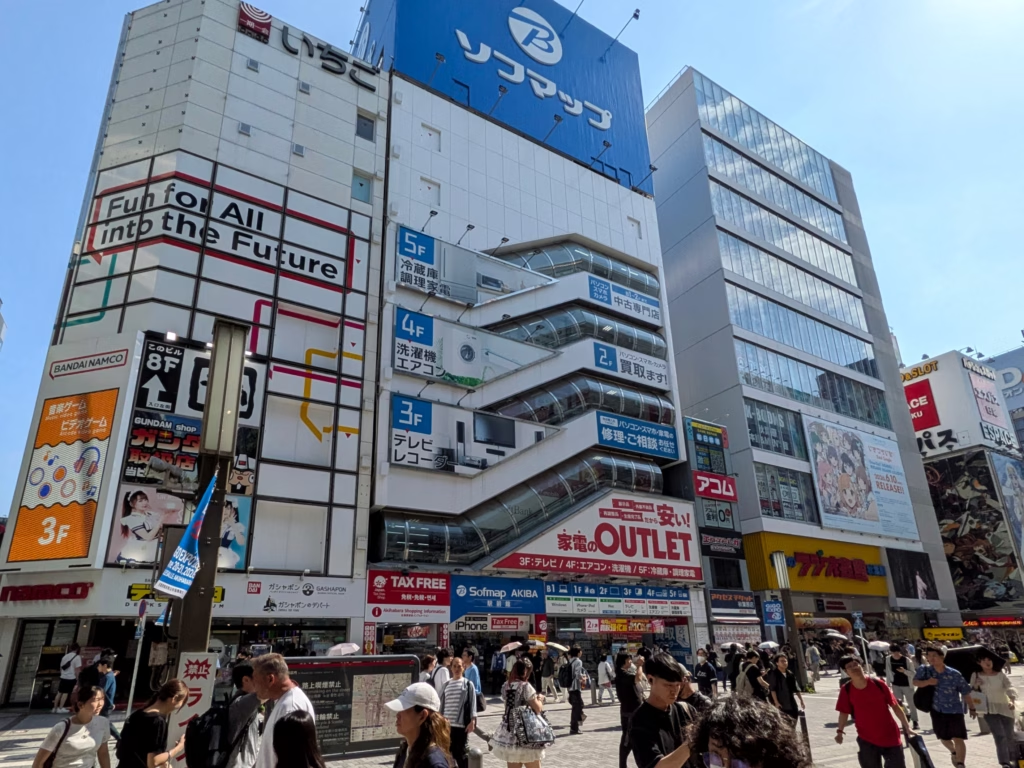
If you want to explore the east side of the city more, you can stay near Ginza (银座) or Akihabara (秋葉原), which also put you within about 20 minutes of the main sights. 银座 is a business district full of luxury stores, while 秋葉原 has every kind of shop imaginable, especially for Japanese comics and anime. And if you have high energy, you can absolutely cross the city as a day trip.
What I liked most was really the Ebisu area itself. Few tourists, mostly locals – which means you can eat your way through genuinely local restaurants without the crowds. Staying somewhere down-to-earth that still gets you anywhere fast is both convenient and pleasant. That’s my formula for Tokyo.
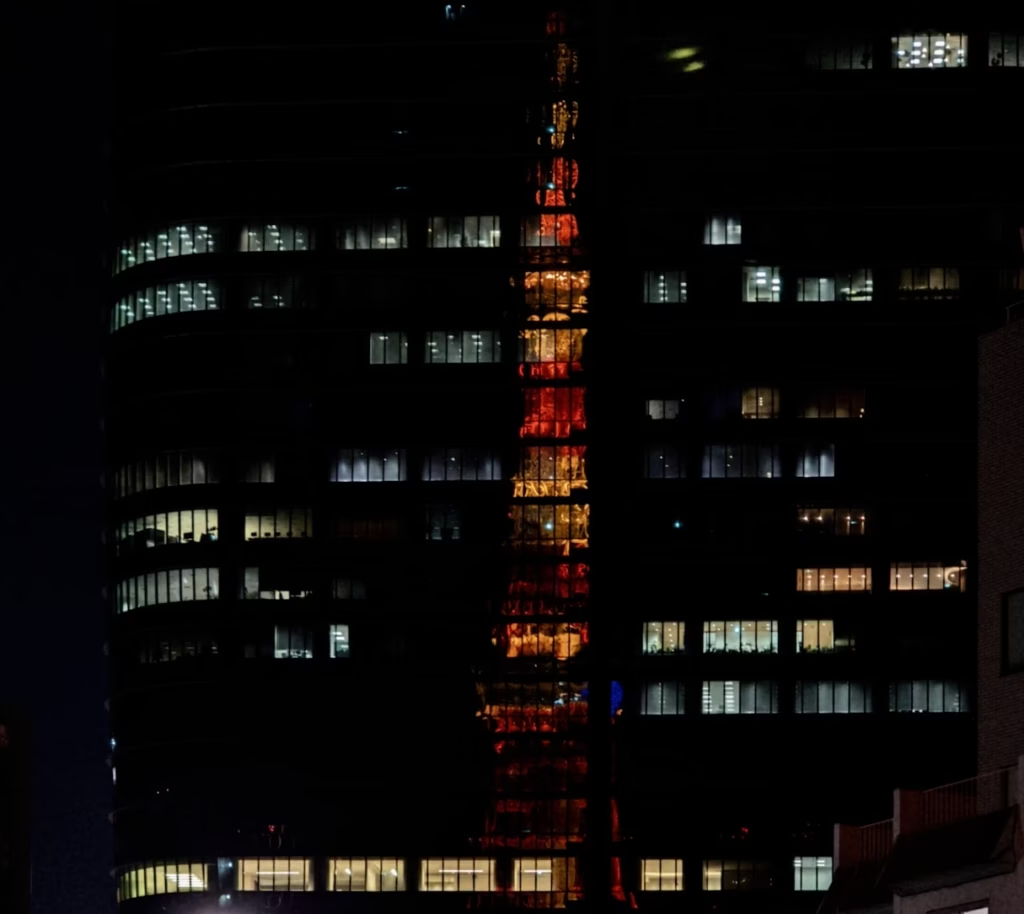
As for the sights themselves: I wasn’t very impressed by Tokyo Tower, I have to say. But the streets full of lights in Shinjuku deserve every bit of their fame.
Overall, you can find great food very easily in Tokyo, and there are endless places to explore given the size of the city. I admit it: I enjoyed Tokyo very much!
Kamakura (鎌倉)
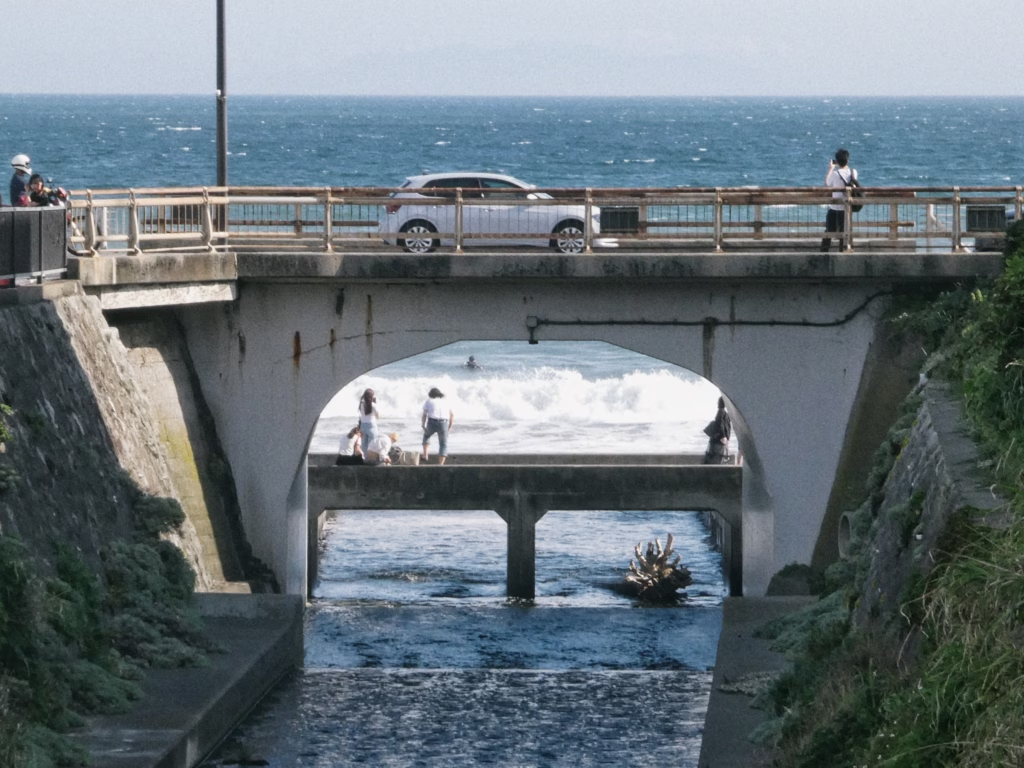
Kamakura is famous among Chinese tourists mostly because of Slam Dunk (灌篮高手) – the railroad crossing at Kamakurakōkō-mae station appears in the anime’s opening, and fans line up there for photos. But my reasons for visiting were different: the beach, and the sea view of Mt. Fuji.
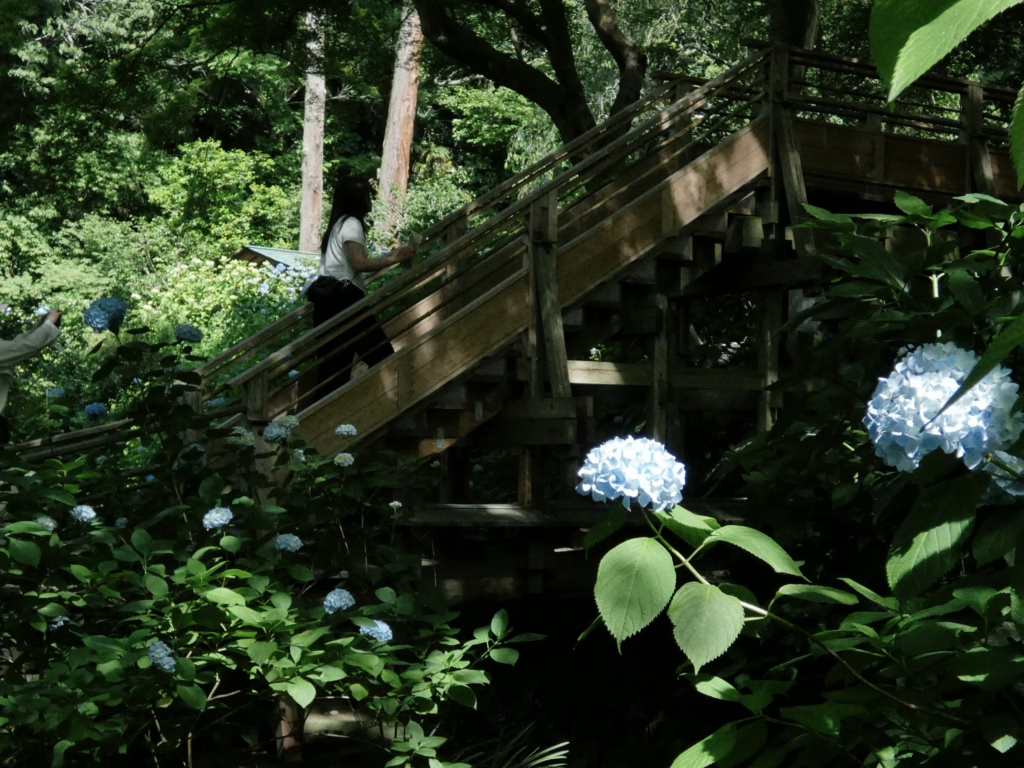
While doing my research, I discovered that June is hydrangea (绣球花/あじさい) season – on Chinese social media you’ll see them called 无尽夏, which is technically the name of one specific cultivar, “Endless Summer,” that became a catch-all term. Either way, I got even more excited. The famous place to see them is 明月院 (Meigetsu-in), a Buddhist temple whose signature deep-blue hydrangeas fill the entire grounds. For less than 10 dollars per person, you get the whole area of flowers. There’s usually a queue to get in, but it’s worth the wait. We also went to the 北鎌倉古民家 (Kitakamakura Old Private House Museum) for more flowers, but it was smaller with a more expensive entrance fee.
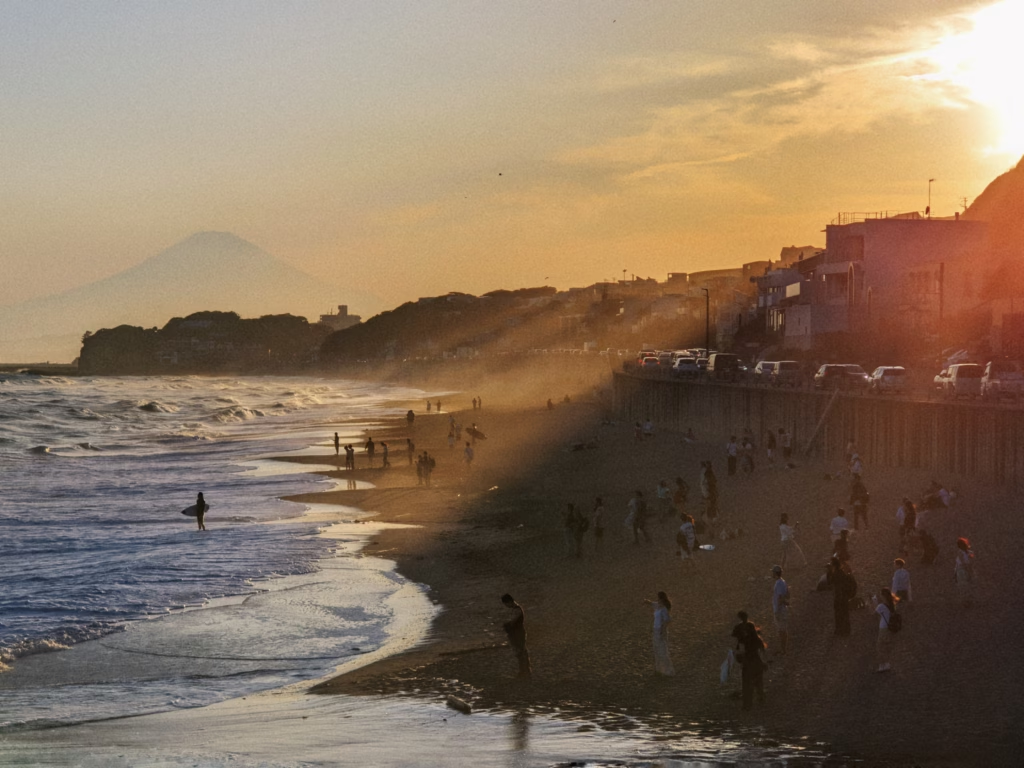
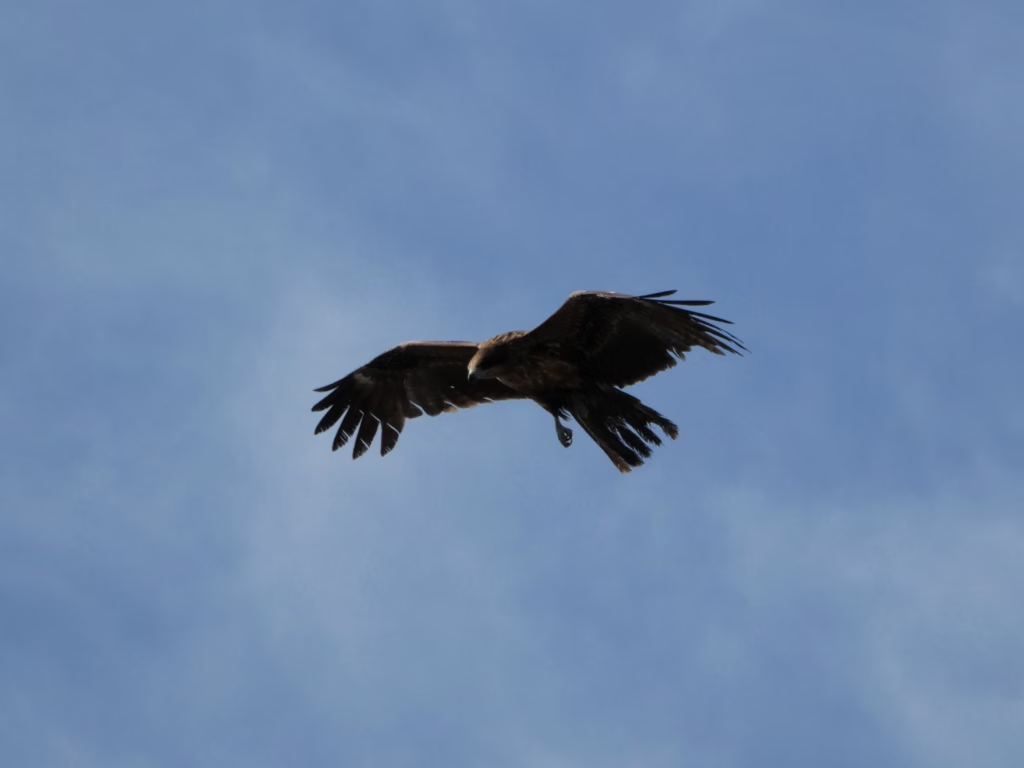
The most famous spot in Kamakura is 七里ヶ浜 (Shichirigahama Beach), where on a clear day you can see both Enoshima and Mt. Fuji. One warning: the beach is patrolled by black kites (トンビ) – large raptors that people often mistake for eagles – and they like to swoop down and snatch food right out of people’s hands. Injuries are well known here. On the day we visited, I didn’t witness an attack, but I did see one of them pee or poop on a tourist, so… just keep your distance and your snacks hidden. The wind near the beach is also quite strong, so sand gets everywhere – though that same wind makes it a favorite spot for local surfers.
If you have more time, continuing on to Enoshima shouldn’t be a bad choice – I’ve heard the views there are quite amazing too!
Next in the series: Kyoto, where the old Japan still lives, and Fujiyoshida, where I got up at 4am for a mountain.
This is the third post of my Japan series. For the practical planning side (airport trains, Suica cards, reservations), see the planning hub.
Tokyo
I assume many of you already know the famous places: Tokyo Tower, Shinjuku (新宿), 原宿 (Harajuku), Shibuya, 浅草寺 (Sensō-ji), and so on. But Tokyo is big – and actually difficult to get around quickly. My suggestion: stay several days if you want to see all of them and you can afford the time; otherwise, pick only the most interesting ones for a single trip.
Most tourists probably know Shibuya and Shinjuku from Lost in Translation. Indeed, these are the most prosperous areas in Tokyo, and they are shopping paradises. The lights at night really do put you inside the movie. However, hotels in these popular areas are quite expensive – so here’s what I did instead: I picked a hotel near Ebisu, a station with multiple direct connections to Shinjuku. In about 15 minutes I could reach all the popular places, and the hotels are simply better for the same price.
If you want to explore the east side of the city more, you can stay near Ginza (银座) or Akihabara (秋葉原), which also put you within about 20 minutes of the main sights. 银座 is a business district full of luxury stores, while 秋葉原 has every kind of shop imaginable, especially for Japanese comics and anime. And if you have high energy, you can absolutely cross the city as a day trip.
What I liked most was really the Ebisu area itself. Few tourists, mostly locals – which means you can eat your way through genuinely local restaurants without the crowds. Staying somewhere down-to-earth that still gets you anywhere fast is both convenient and pleasant. That’s my formula for Tokyo.
As for the sights themselves: I wasn’t very impressed by Tokyo Tower, I have to say. But the streets full of lights in Shinjuku deserve every bit of their fame.
Overall, you can find great food very easily in Tokyo, and there are endless places to explore given the size of the city. I admit it: I enjoyed Tokyo very much!
Kamakura (鎌倉)
Kamakura is famous among Chinese tourists mostly because of Slam Dunk (灌篮高手) – the railroad crossing at Kamakurakōkō-mae station appears in the anime’s opening, and fans line up there for photos. But my reasons for visiting were different: the beach, and the sea view of Mt. Fuji.
While doing my research, I discovered that June is hydrangea (绣球花/あじさい) season – on Chinese social media you’ll see them called 无尽夏, which is technically the name of one specific cultivar, “Endless Summer,” that became a catch-all term. Either way, I got even more excited. The famous place to see them is 明月院 (Meigetsu-in), a Buddhist temple whose signature deep-blue hydrangeas fill the entire grounds. For less than 10 dollars per person, you get the whole area of flowers. There’s usually a queue to get in, but it’s worth the wait. We also went to the 北鎌倉古民家 (Kitakamakura Old Private House Museum) for more flowers, but it was smaller with a more expensive entrance fee.
The most famous spot in Kamakura is 七里ヶ浜 (Shichirigahama Beach), where on a clear day you can see both Enoshima and Mt. Fuji. One warning: the beach is patrolled by black kites (トンビ) – large raptors that people often mistake for eagles – and they like to swoop down and snatch food right out of people’s hands. Injuries are well known here. On the day we visited, I didn’t witness an attack, but I did see one of them pee or poop on a tourist, so… just keep your distance and your snacks hidden. The wind near the beach is also quite strong, so sand gets everywhere – though that same wind makes it a favorite spot for local surfers.
If you have more time, continuing on to Enoshima shouldn’t be a bad choice – I’ve heard the views there are quite amazing too!
Next in the series: Kyoto, where the old Japan still lives, and Fujiyoshida, where I got up at 4am for a mountain.