
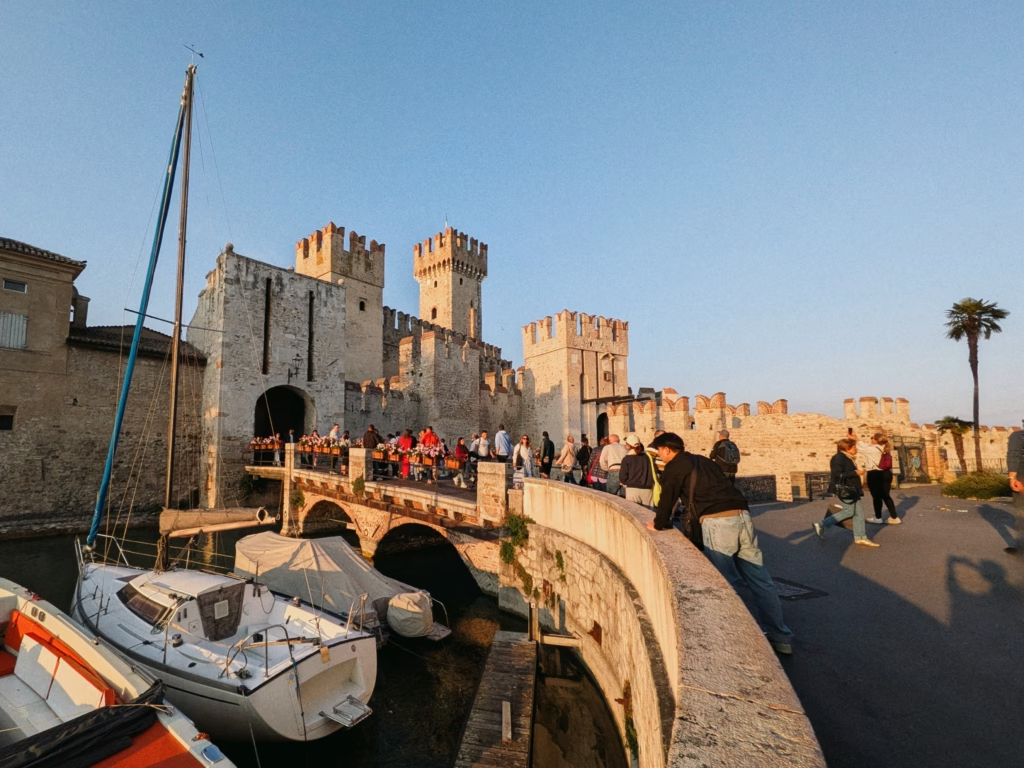
Sirmione occupies a narrow peninsula stretching into Lago di Garda (Lake Garda) from its southern shore. The town centers on a medieval Castello Scaligero that guards the peninsula’s entrance, with narrow streets and historic buildings extending toward the tip where Roman ruins overlook the water. Sirmione is extremely popular – expect significant crowds, tourist-oriented shops, and all the infrastructure that comes with being one of Lake Garda’s most visited destinations. Despite the tourism, the combination of dramatic castle, lakeside setting, and genuine historical sites makes it worth visiting, provided you understand what you’re getting into.
Getting There
From Trento or Verona, reaching Sirmione requires either a car or a combination of train and bus. The train to Verona connects to bus services heading to Sirmione, though the journey can be lengthy, expect 2+ hours total travel time with connections. Regional trains fill quickly during peak times, particularly on weekends.
From Verona, bus line LN026 (operated by Arriva/SIA) runs hourly from Verona Porta Nuova station to Sirmione, taking approximately one hour. Tickets cost around €4-5 and can be purchased through the Arriva MyPay app or from authorized tobacco shops near the station. Buying tickets directly from the driver may incur a small additional fee. The app generally works better with European phone numbers.
The Castello Scaligero
The Castello Scaligero di Sirmione was built in the 13th century by the Della Scala family of Verona, who controlled much of the region during that period. The castle served as a defensive fortification at the narrowest point of the peninsula, with the rare feature of a fortified dock, one of the only surviving examples of a medieval fortified port in Europe. The castle’s distinctive swallow-tail battlements are characteristic of Scaliger military architecture found throughout the Verona side of Lake Garda.
The castle reaches 37 meters at its highest tower, offering panoramic views of Sirmione, the lake, and surrounding pre-Alps. Particularly striking at sunset when the castle’s brick construction glows golden-orange, the structure looks genuinely fairy-tale-like.
The historic center is pedestrian-only, meaning visitors must navigate cobblestone and brick streets while carrying any luggage to hotels – worth considering when choosing accommodations.
The Peninsula Experience
Sirmione’s peninsula stretches approximately 4 kilometers from the castle entrance to the tip at the Grotte di Catullo. The entire historic center occupies this narrow strip of land, requiring significant walking to reach different areas. Walking from the castle to the peninsula’s far end takes roughly 30 minutes one-way on the single main road connecting everything.
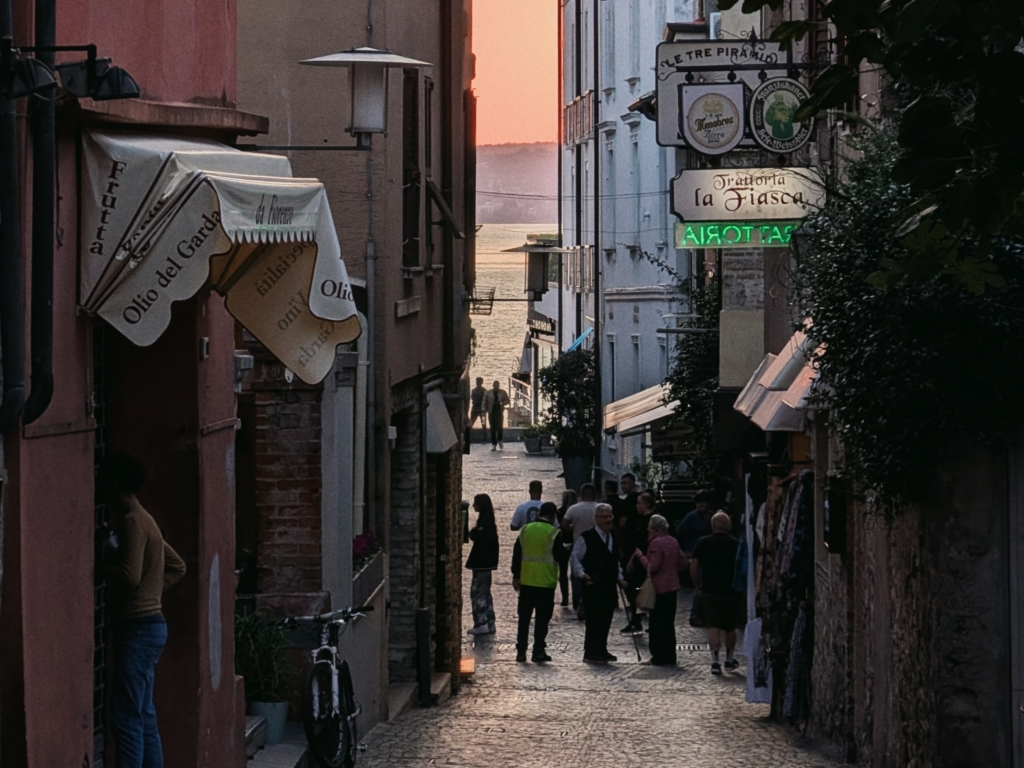
The peninsula’s structure creates both charm and challenges. The narrow layout lined with plants, trees, and historic buildings creates an appealing maze-like atmosphere. But the single-road design means all pedestrian traffic funnels through the same route, contributing to crowding during peak times.
The Tourism Reality
Sirmione is heavily oriented toward tourism. The peninsula is lined with shops selling souvenirs, many of questionable Italian origin. Gelaterias display impossibly large selections of flavors. This is the trade-off for visiting one of Lake Garda’s most accessible and famous destinations.
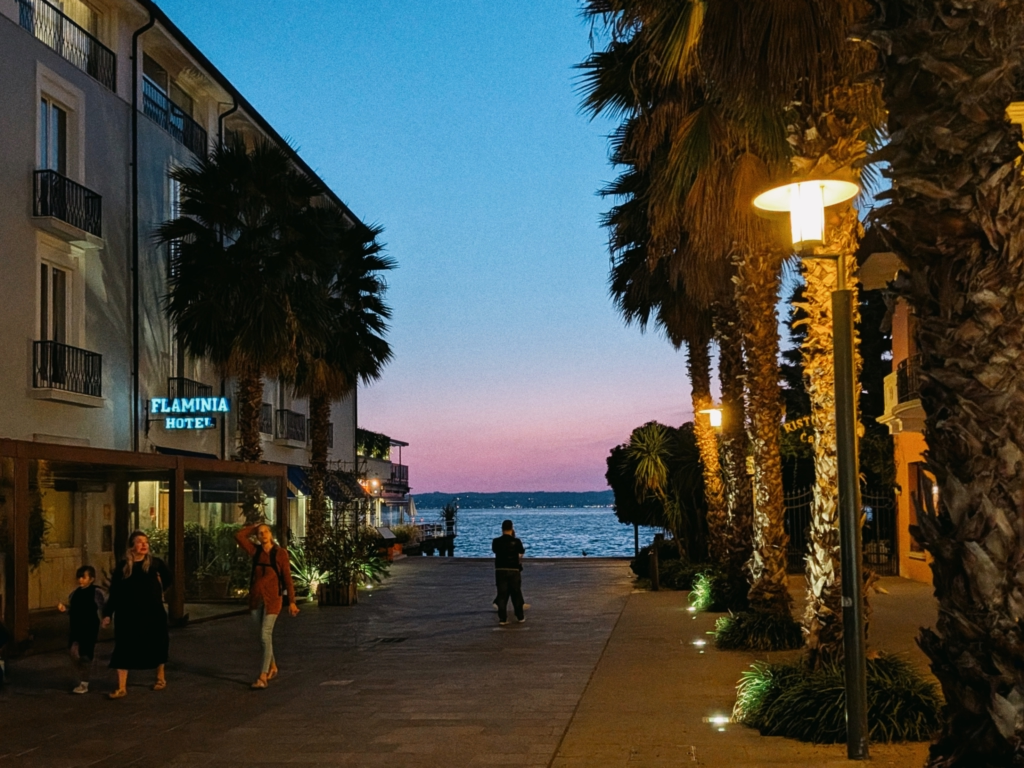
As the day progresses and the sun sets, the town quiets considerably. The evening atmosphere becomes more pleasant once day-trippers depart. For those staying overnight, the later hours offer a different experience of Sirmione.
Grotte di Catullo
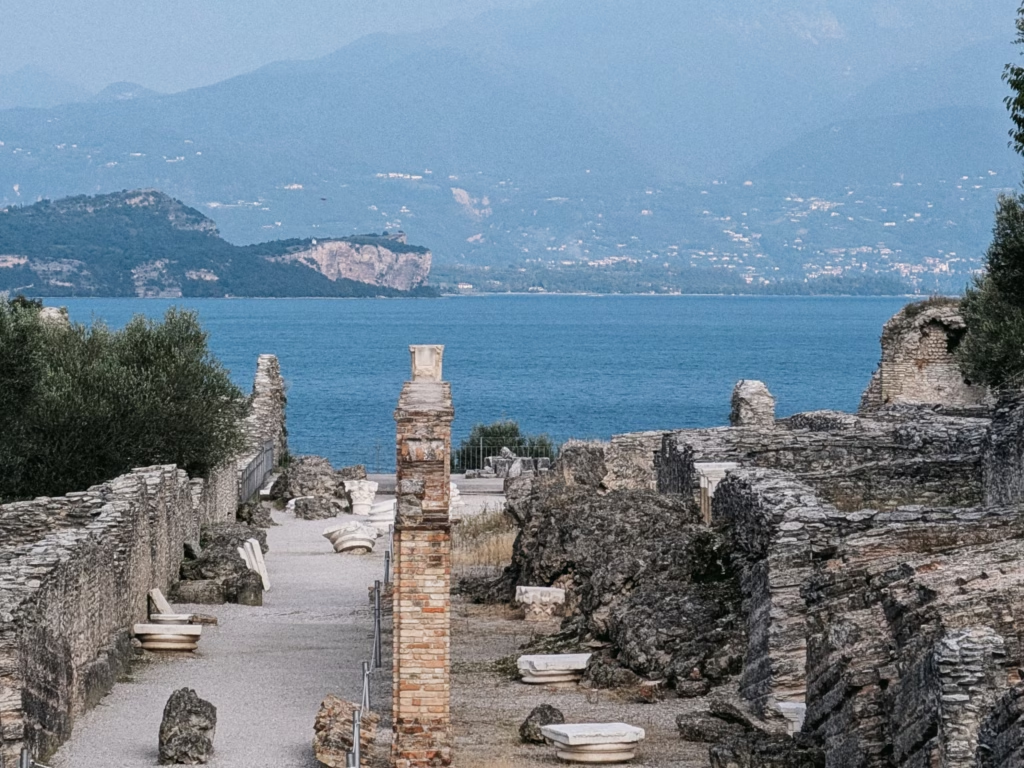
At the peninsula’s tip sits the Grotte di Catullo, actually not caves but the ruins of a massive Roman villa complex from the 1st century BC to 2nd century AD. The site is considered one of the most significant archaeological sites in northern Italy, covering nearly two hectares at the highest point of the Sirmione peninsula.
The name “Grotte” dates to the Renaissance when, before excavation, the vine-covered ruins resembled cave entrances. The complex once belonged to a wealthy Roman family and included thermal baths, courtyards, and living quarters, though the connection to the poet Catullus (who wrote about Sirmione) remains unproven.
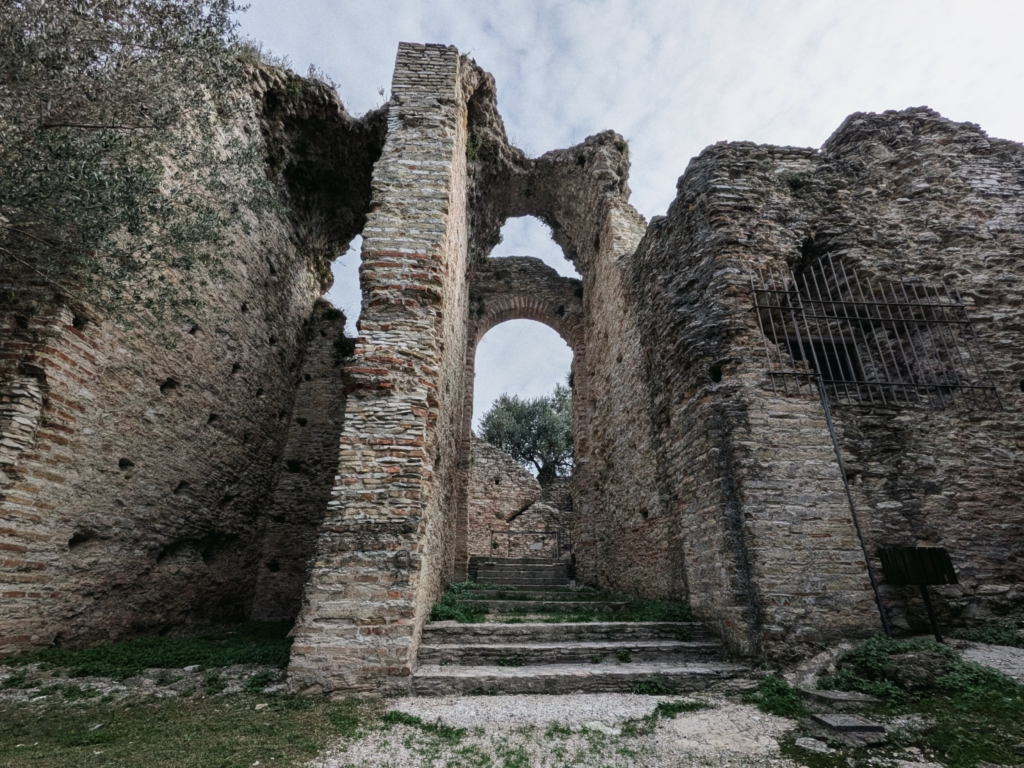
Call Me By Your Name Connection: Film fans may recognize the Grotte di Catullo as the archaeological site where Professor Perlman, Elio, and Oliver examine artifacts in the film. The fountain area at the entrance is where the memorable statue arm scene was filmed. The adjacent Jamaica Beach also appears in the movie’s sunset swim sequence.
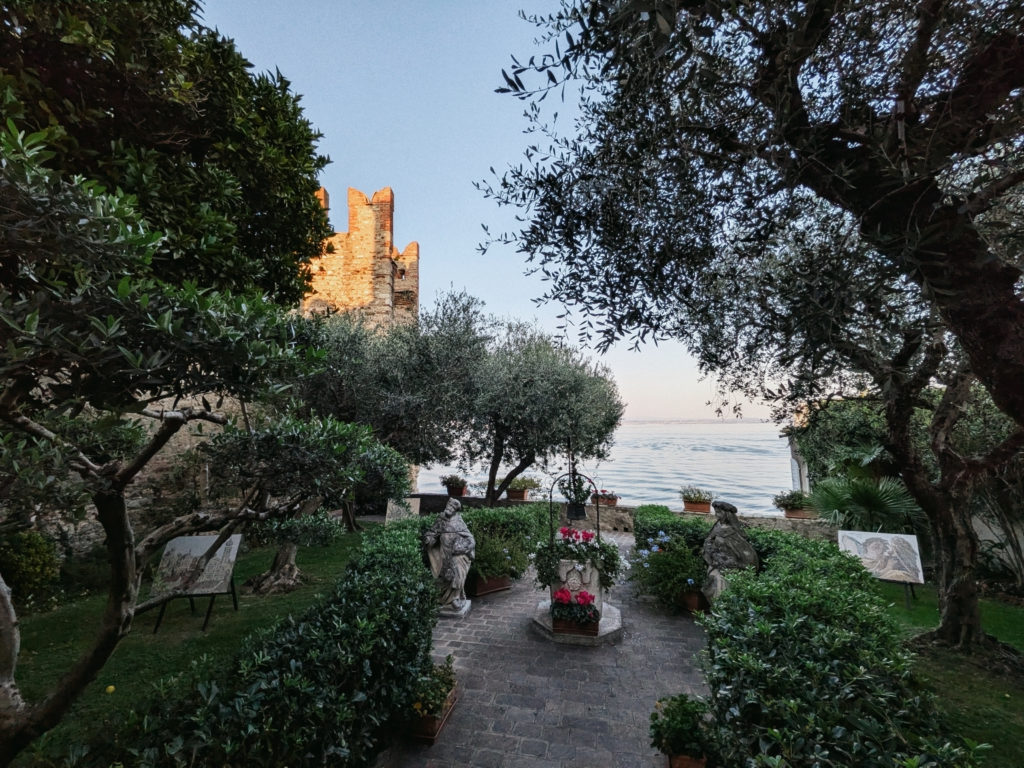
The site provides access to a small rocky beach on Lake Garda, with re-entry allowed via wristband. The ruins are surrounded by extensive olive groves, the area has hundreds of olive trees that create a distinctly Mediterranean landscape despite the northern location.
Practical Considerations
Crowds: Sirmione sees heavy tourist traffic, particularly during summer months and weekends. The narrow streets amplify crowding. Early morning or evening visits offer somewhat better conditions.
Walking: Everything requires walking on uneven historic surfaces. The peninsula’s length means significant distances between attractions. Factor this into planning, especially in hot weather or with mobility limitations.
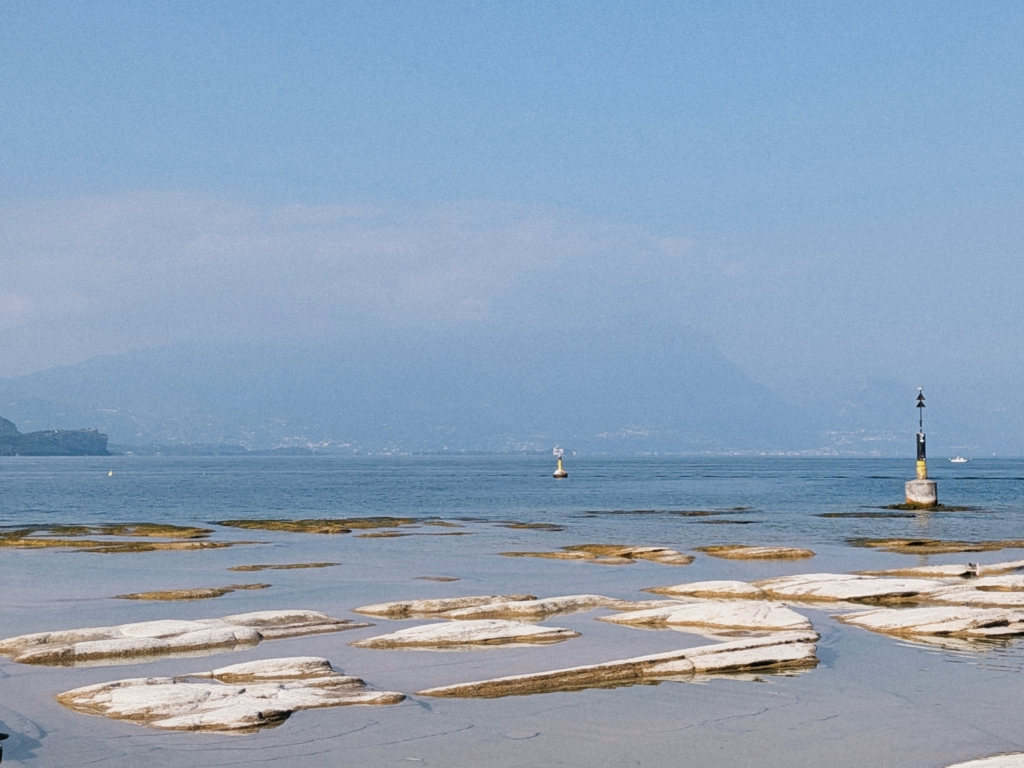
Beach: Lake Garda’s “beaches” in Sirmione consist primarily of large flat stones rather than sand. Set expectations accordingly.
Authenticity: Sirmione is beautiful but thoroughly touristed. The castello is genuinely impressive, the Roman ruins are legitimately significant, and the lakeside setting delivers. But the experience comes packaged with mass tourism infrastructure. For those seeking undiscovered Italy, look elsewhere. For those wanting accessible beauty and history despite crowds, Sirmione delivers.
The town works best approached with realistic expectations, accept the tourist elements as the price of visiting a genuinely special location that happens to be popular for good reason.
Sirmione occupies a narrow peninsula stretching into Lago di Garda (Lake Garda) from its southern shore. The town centers on a medieval Castello Scaligero that guards the peninsula’s entrance, with narrow streets and historic buildings extending toward the tip where Roman ruins overlook the water. Sirmione is extremely popular – expect significant crowds, tourist-oriented shops, and all the infrastructure that comes with being one of Lake Garda’s most visited destinations. Despite the tourism, the combination of dramatic castle, lakeside setting, and genuine historical sites makes it worth visiting, provided you understand what you’re getting into.
Getting There
From Trento or Verona, reaching Sirmione requires either a car or a combination of train and bus. The train to Verona connects to bus services heading to Sirmione, though the journey can be lengthy, expect 2+ hours total travel time with connections. Regional trains fill quickly during peak times, particularly on weekends.
From Verona, bus line LN026 (operated by Arriva/SIA) runs hourly from Verona Porta Nuova station to Sirmione, taking approximately one hour. Tickets cost around €4-5 and can be purchased through the Arriva MyPay app or from authorized tobacco shops near the station. Buying tickets directly from the driver may incur a small additional fee. The app generally works better with European phone numbers.
The Castello Scaligero
The Castello Scaligero di Sirmione was built in the 13th century by the Della Scala family of Verona, who controlled much of the region during that period. The castle served as a defensive fortification at the narrowest point of the peninsula, with the rare feature of a fortified dock, one of the only surviving examples of a medieval fortified port in Europe. The castle’s distinctive swallow-tail battlements are characteristic of Scaliger military architecture found throughout the Verona side of Lake Garda.
The castle reaches 37 meters at its highest tower, offering panoramic views of Sirmione, the lake, and surrounding pre-Alps. Particularly striking at sunset when the castle’s brick construction glows golden-orange, the structure looks genuinely fairy-tale-like.
The historic center is pedestrian-only, meaning visitors must navigate cobblestone and brick streets while carrying any luggage to hotels – worth considering when choosing accommodations.
The Peninsula Experience
Sirmione’s peninsula stretches approximately 4 kilometers from the castle entrance to the tip at the Grotte di Catullo. The entire historic center occupies this narrow strip of land, requiring significant walking to reach different areas. Walking from the castle to the peninsula’s far end takes roughly 30 minutes one-way on the single main road connecting everything.
The peninsula’s structure creates both charm and challenges. The narrow layout lined with plants, trees, and historic buildings creates an appealing maze-like atmosphere. But the single-road design means all pedestrian traffic funnels through the same route, contributing to crowding during peak times.
The Tourism Reality
Sirmione is heavily oriented toward tourism. The peninsula is lined with shops selling souvenirs, many of questionable Italian origin. Gelaterias display impossibly large selections of flavors. This is the trade-off for visiting one of Lake Garda’s most accessible and famous destinations.
As the day progresses and the sun sets, the town quiets considerably. The evening atmosphere becomes more pleasant once day-trippers depart. For those staying overnight, the later hours offer a different experience of Sirmione.
Grotte di Catullo
At the peninsula’s tip sits the Grotte di Catullo, actually not caves but the ruins of a massive Roman villa complex from the 1st century BC to 2nd century AD. The site is considered one of the most significant archaeological sites in northern Italy, covering nearly two hectares at the highest point of the Sirmione peninsula.
The name “Grotte” dates to the Renaissance when, before excavation, the vine-covered ruins resembled cave entrances. The complex once belonged to a wealthy Roman family and included thermal baths, courtyards, and living quarters, though the connection to the poet Catullus (who wrote about Sirmione) remains unproven.
Call Me By Your Name Connection: Film fans may recognize the Grotte di Catullo as the archaeological site where Professor Perlman, Elio, and Oliver examine artifacts in the film. The fountain area at the entrance is where the memorable statue arm scene was filmed. The adjacent Jamaica Beach also appears in the movie’s sunset swim sequence.
The site provides access to a small rocky beach on Lake Garda, with re-entry allowed via wristband. The ruins are surrounded by extensive olive groves, the area has hundreds of olive trees that create a distinctly Mediterranean landscape despite the northern location.
Practical Considerations
Crowds: Sirmione sees heavy tourist traffic, particularly during summer months and weekends. The narrow streets amplify crowding. Early morning or evening visits offer somewhat better conditions.
Walking: Everything requires walking on uneven historic surfaces. The peninsula’s length means significant distances between attractions. Factor this into planning, especially in hot weather or with mobility limitations.
Beach: Lake Garda’s “beaches” in Sirmione consist primarily of large flat stones rather than sand. Set expectations accordingly.
Authenticity: Sirmione is beautiful but thoroughly touristed. The castello is genuinely impressive, the Roman ruins are legitimately significant, and the lakeside setting delivers. But the experience comes packaged with mass tourism infrastructure. For those seeking undiscovered Italy, look elsewhere. For those wanting accessible beauty and history despite crowds, Sirmione delivers.
The town works best approached with realistic expectations, accept the tourist elements as the price of visiting a genuinely special location that happens to be popular for good reason.