
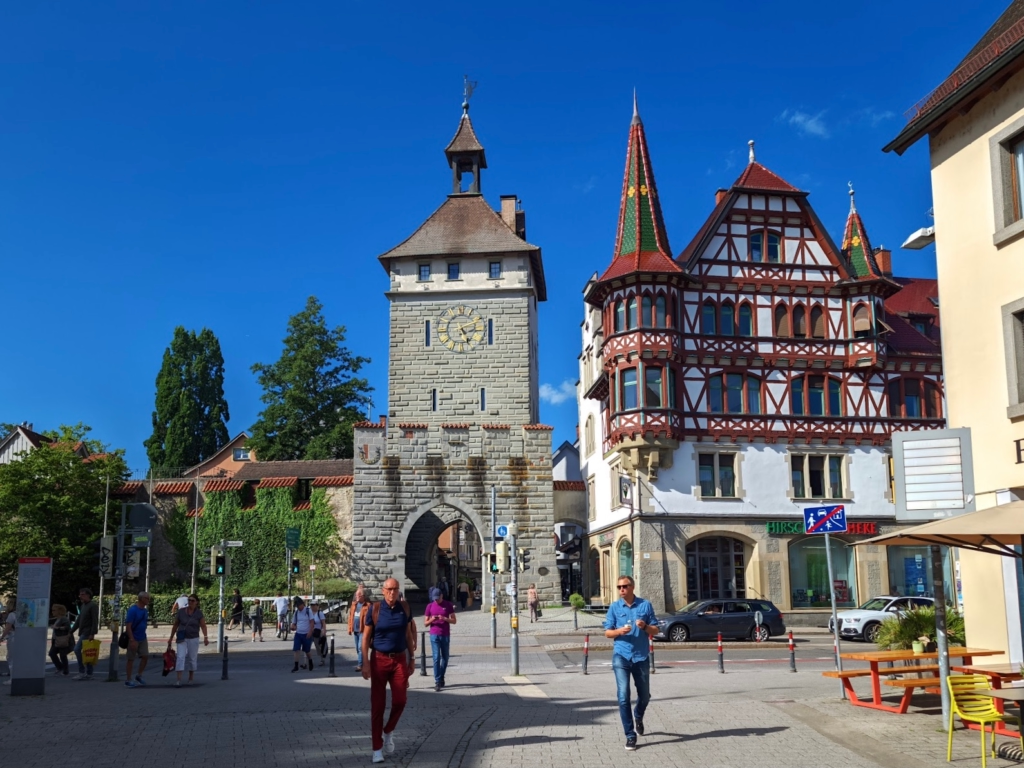
Konstanz sits at the northwestern corner of the Bodensee (Lake Constance), straddling the border between Germany and Switzerland. This historic city survived World War II with its old town intact through a clever lighting strategy, leaving behind one of Germany’s best-preserved medieval centers. The city serves as a gateway for exploring the lake, with ferry connections to destinations across the Bodensee, a charming Altstadt filled with painted facades, and nearby Mainau Island’s elaborate gardens.
A City Saved by Strategy
Konstanz occupies a unique position, essentially surrounded by Switzerland with only a narrow corridor connecting it to the rest of Germany. During World War II, residents kept their city lights on at night, matching their Swiss neighbor Kreuzlingen across the border. This made it nearly impossible to distinguish where Germany ended and neutral Switzerland began, effectively saving Konstanz from destruction.
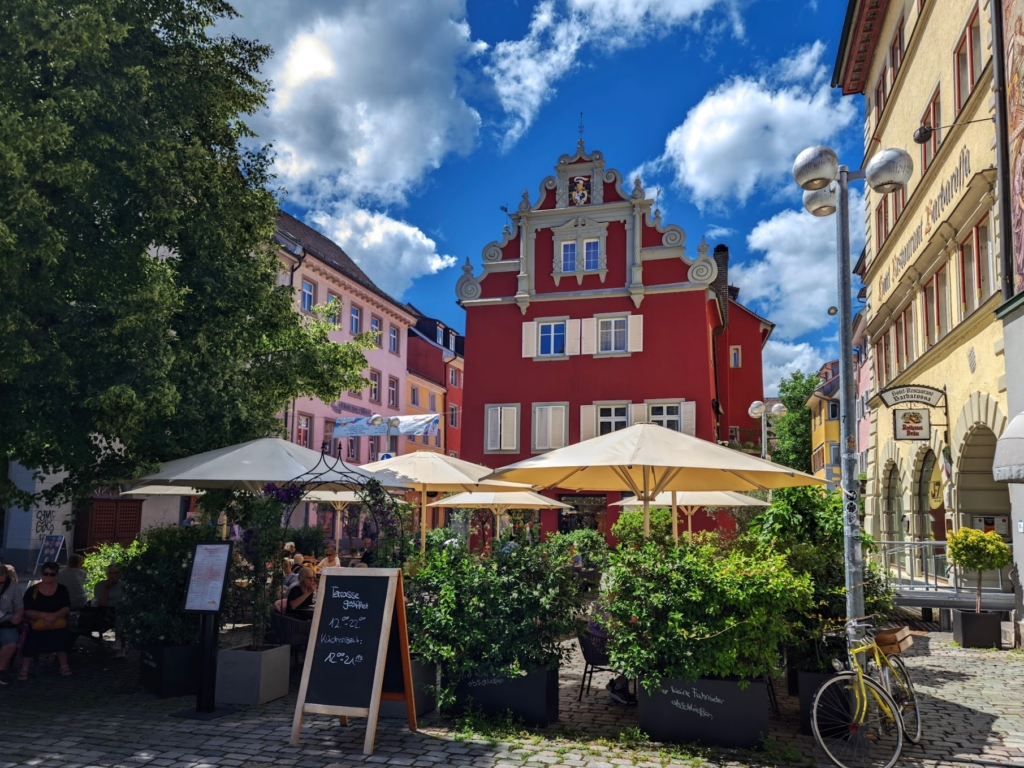
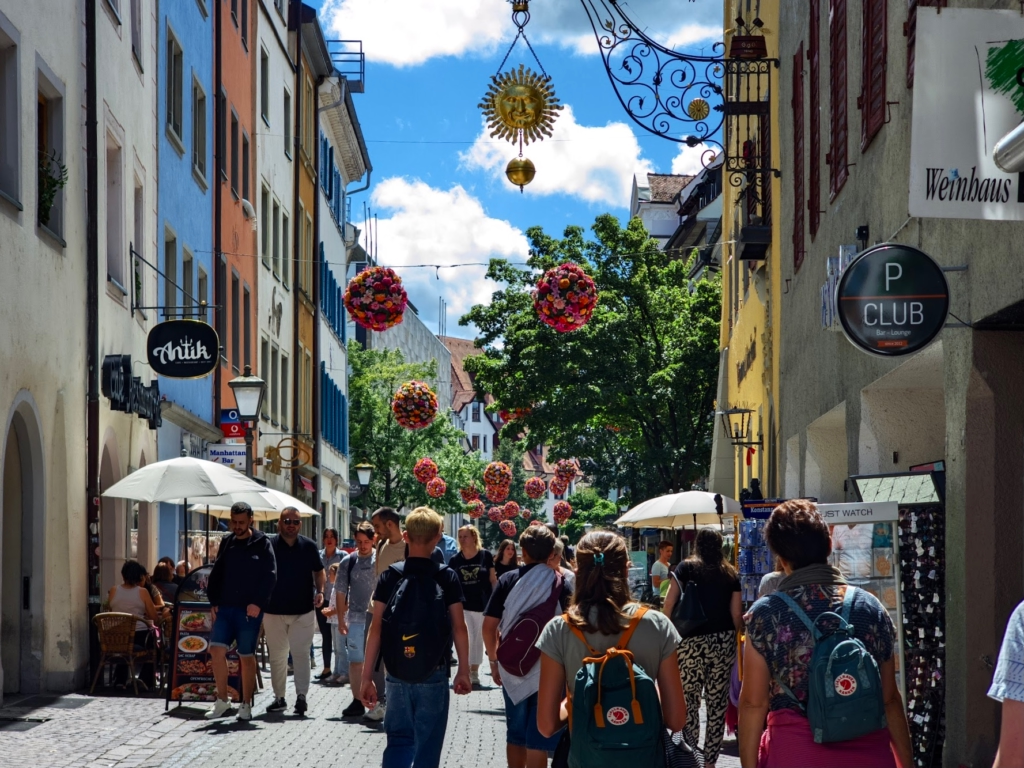
The result is an Altstadt that’s genuinely historic rather than reconstructed. The narrow streets, preserved buildings, and medieval layout remain authentic, creating an old town atmosphere with colorful facades and summer flowers that feels truly timeless.
Konstanz Draws the Crowds
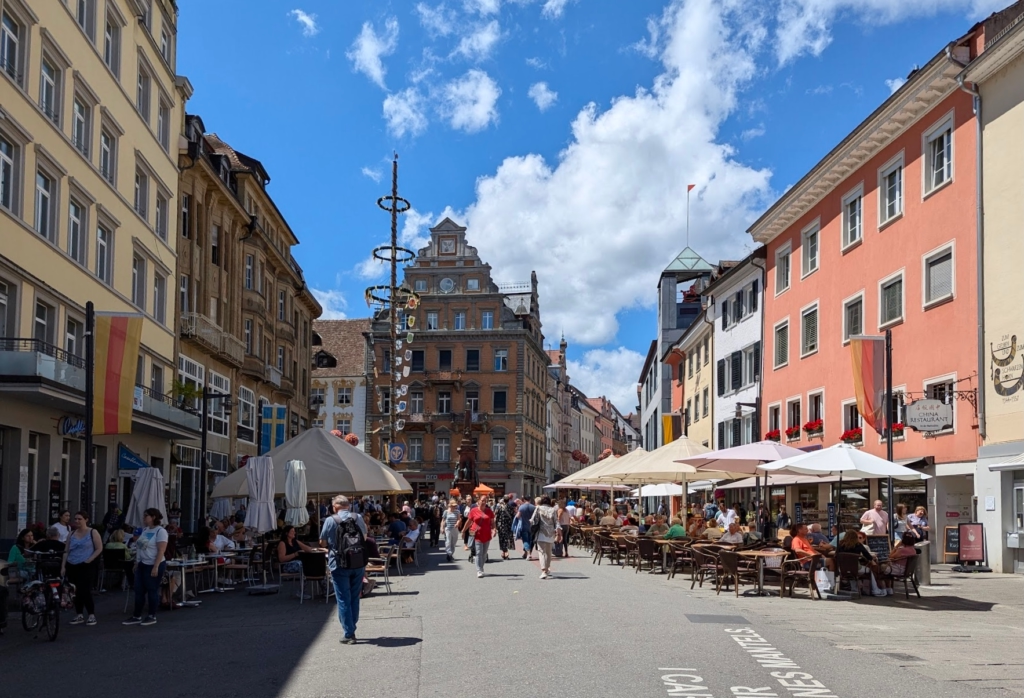
Konstanz is remarkably popular, especially during summer months. The tourist crowds rival München in their density, which says something about the city’s appeal. The combination of lakeside location, historic charm, and easy access from both Germany and Switzerland makes it a magnet for visitors.
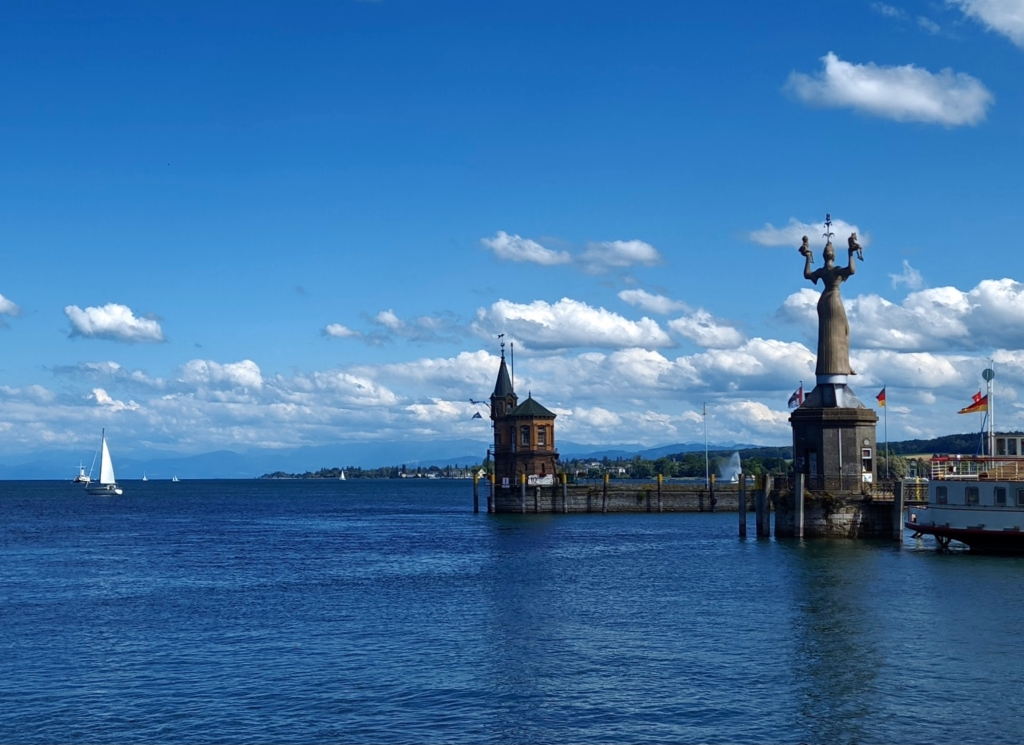
The lakefront offers spectacular views, particularly on clear days when the Alps create a dramatic backdrop across the water. The Imperia statue dominates the harbor entrance – a nine-meter rotating sculpture of a woman holding tiny figures of an emperor and pope, a satirical commentary on the Council of Constance (Konstanzer Konzil) held here from 1414 to 1418. The council was one of the most important church gatherings of the medieval period, and Konstanz hasn’t forgotten it.
From the harbor, ferry connections run to destinations throughout the Bodensee. The Obersee (upper lake) section offers access to places like Meersburg and Mainau, while longer routes reach destinations like Lindau. The ferry system makes Konstanz an ideal base for lake exploration without needing a car.
Hidden Details in the Altstadt
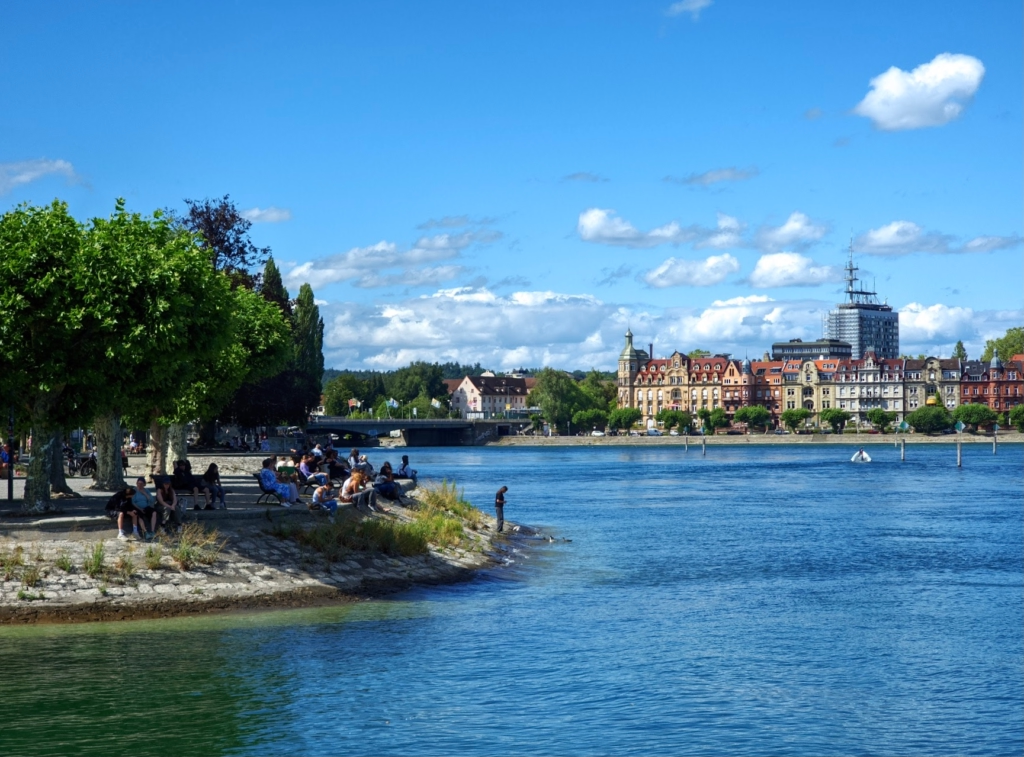
Stadtgarten provides a peaceful green space where visitors can simply sit and watch the lake. It’s nothing elaborate, just a pleasant park with good views and a relaxed atmosphere.
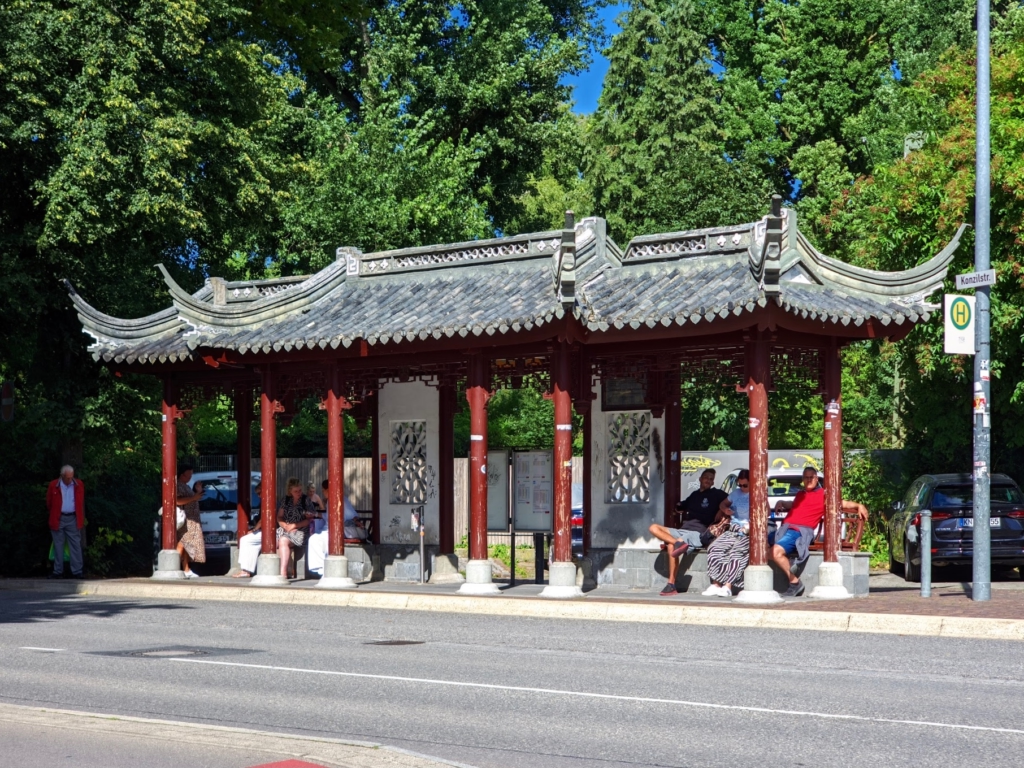
One unexpected discovery is the Konzilstraße bus stop, apparently designed by a team from Suzhou to incorporate Chinese aesthetic elements into its structure. It’s an unusual find in a German lakeside town and worth a quick look if you’re in the area.
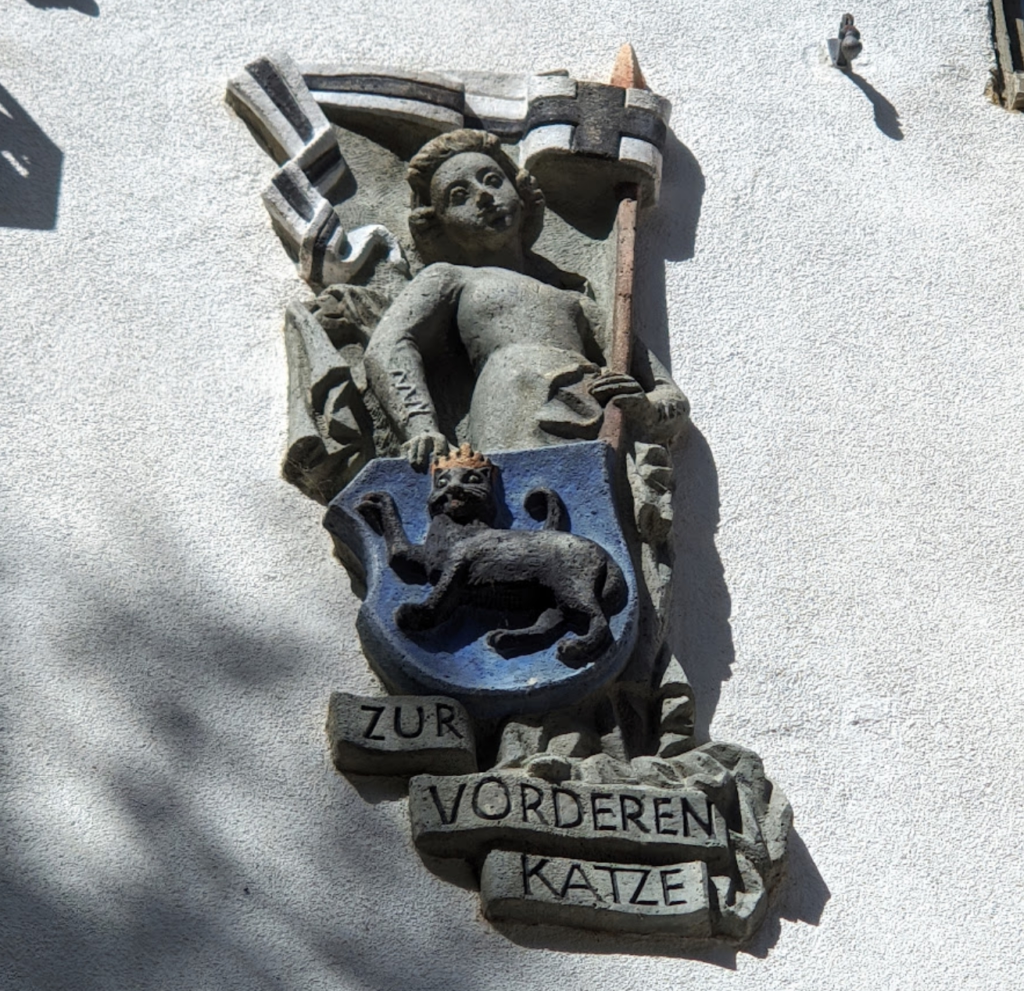
The real treasures of Konstanz reveal themselves when wandering the Altstadt’s narrow streets. Beautiful painted facades cover many buildings, while intricately crafted clocks and coats of arms representing old families dot the historic center. One building that catches attention is “Zur Vorderen Katze” (The Front Cat), featuring a painted cat on its facade. According to historical records, the Zur Katz Society was an association of influential families in Konstanz, though the exact significance remains somewhat mysterious. The cat, at least, is clear enough.
The Border
The land border between Germany and Switzerland runs right through the Konstanz area. For Europeans, this is unremarkable. But for visitors from countries where borders mean checkpoints and passport control, walking casually between countries feels almost surreal – just a sign and you’re in Switzerland. The border here perfectly illustrates how integrated European travel has become.
Mainau: The Flower Island
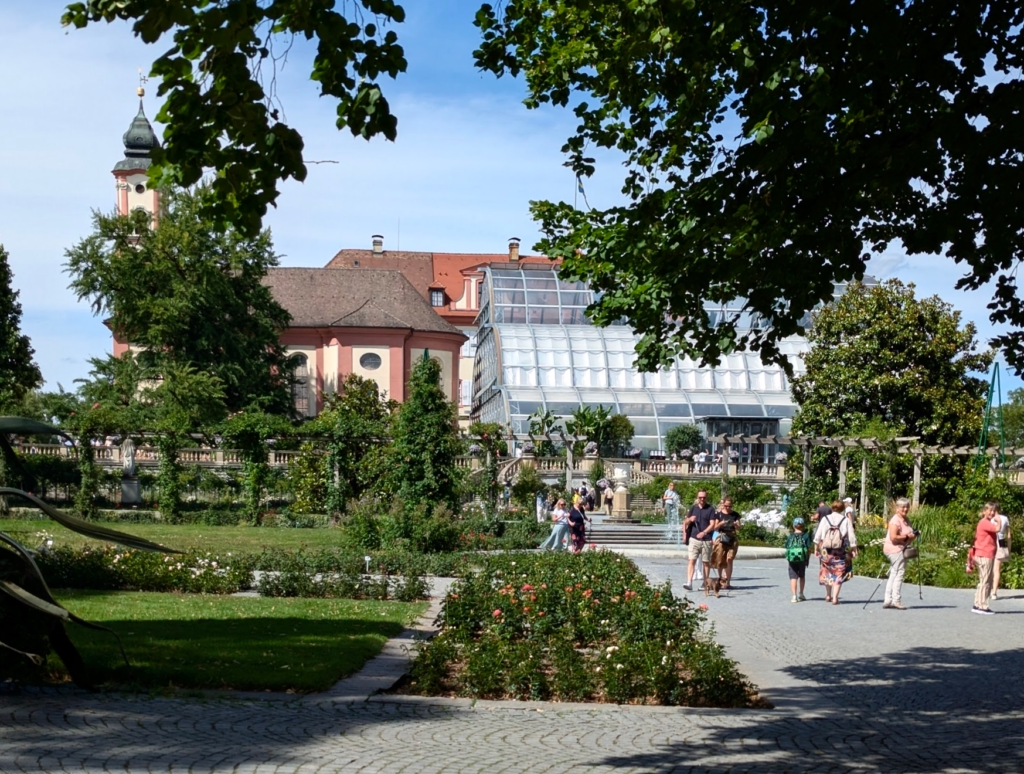
A short ferry ride from Konstanz brings you to Mainau, a small island dominated by a castle and extensive gardens. The island requires an entrance fee (cheaper if purchased online), which might surprise first-time visitors expecting public access.
Mainau is essentially one large botanical garden. The entire island showcases different types of trees, bushes, and flowers arranged in various garden styles. It’s undeniably pretty, with carefully maintained landscapes and colorful displays throughout the seasons.
The butterfly house (Schmetterlingshaus) is particularly popular, often requiring 30+ minutes of queuing during peak times. Chains at the entrance prevent butterflies from escaping. Inside, the environment is designed as a tropical paradise for the butterflies – humid, warm, and filled with plants. Various species flutter around freely, with the large blue morpho butterflies drawing the most attention. Blue butterflies are relatively rare in nature, making these particularly photogenic.
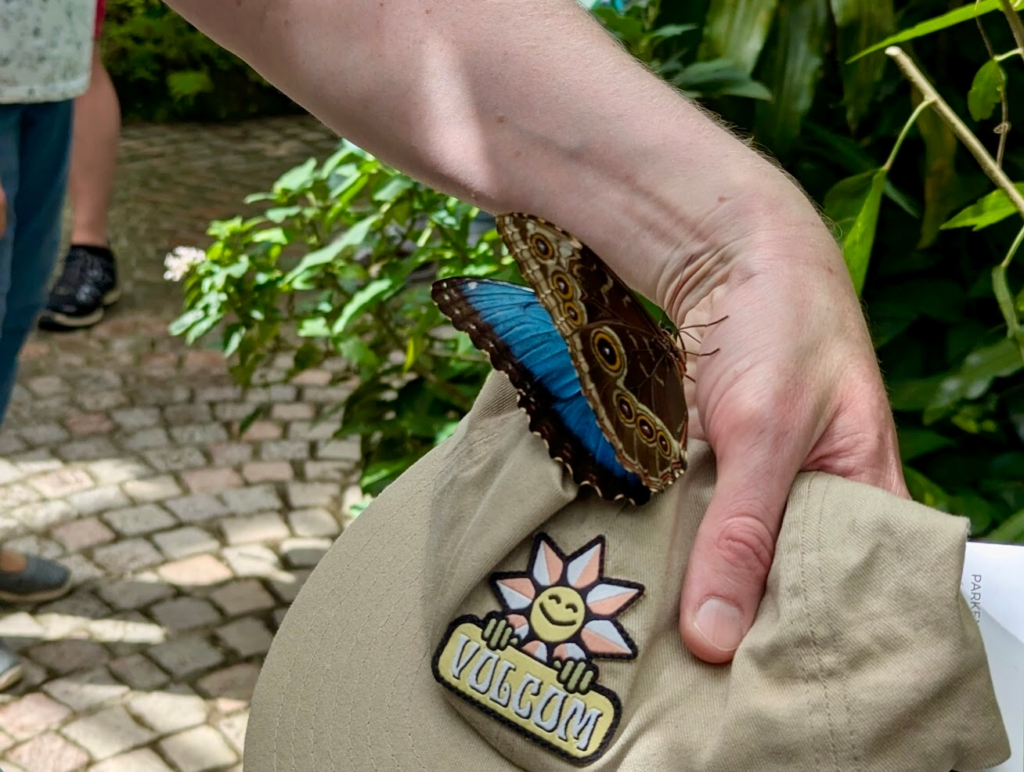
The butterflies occasionally land on visitors, creating popular photo opportunities. The house also contains some birds, raising the question of whether they pose a threat to their winged neighbors or if the ecosystem is carefully balanced.
Beyond the butterfly house, Mainau offers walking paths through different garden areas. The Italienischer Blumen-Wassertreppenbrunnen (Italian flower water staircase fountain) serves as a focal point, though the area around it can smell strongly of fertilizer – an unavoidable reality of intensive garden maintenance.
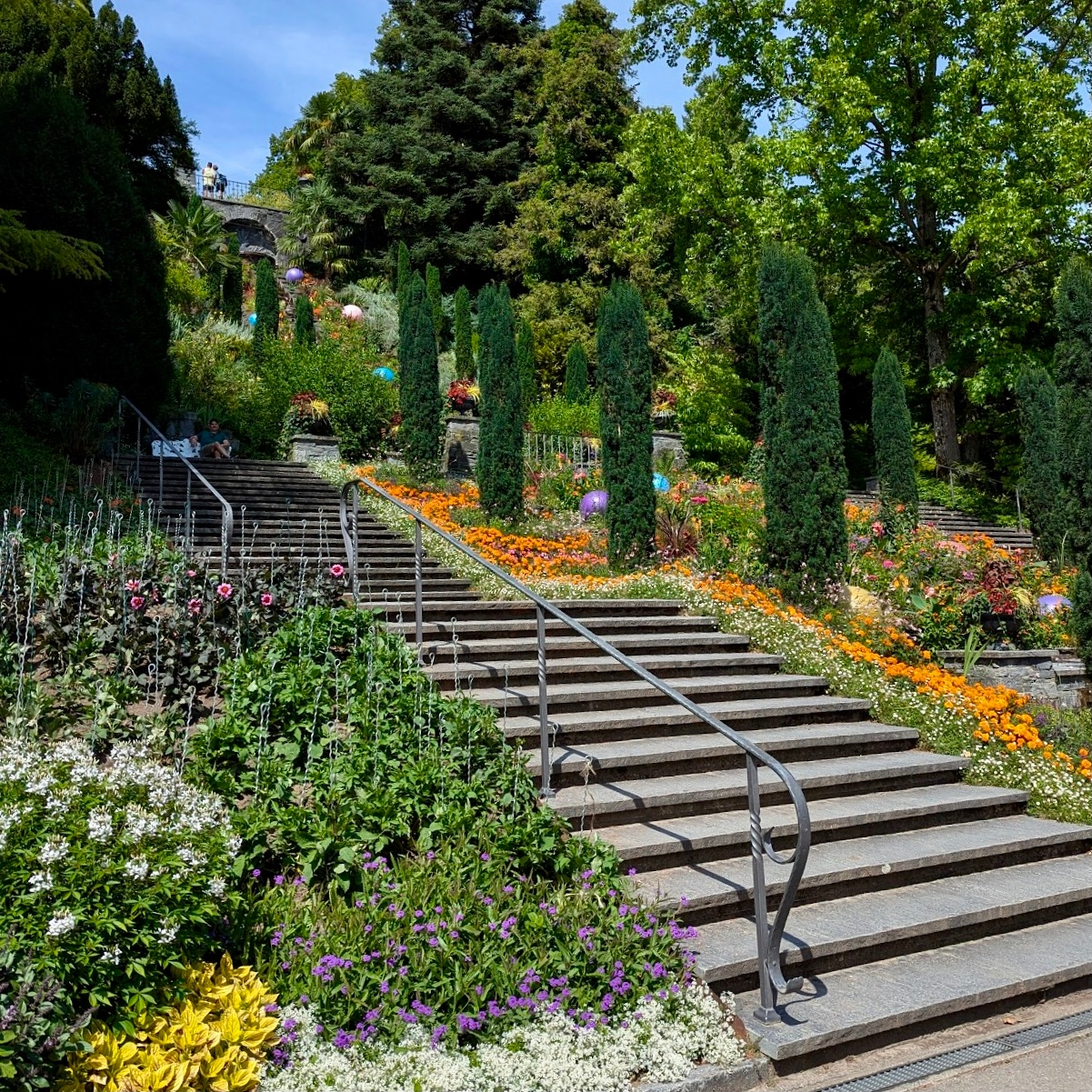
Mainau works well for families with children, functioning essentially as a botanical theme park. For adults without kids, the appeal depends on enthusiasm for gardens and plants. The island is pleasant and well-maintained, but after walking through endless arrangements of flowers and shrubs, it can feel a bit repetitive. It’s the kind of place that’s impressive in small doses but might be too much plant content for some visitors.
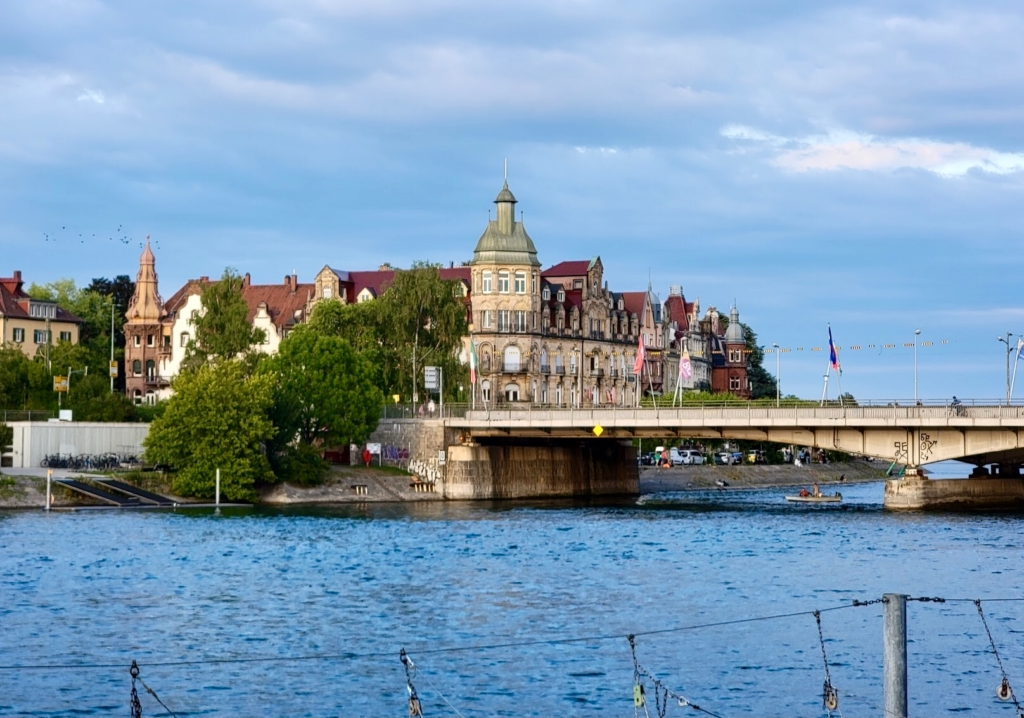
Konstanz functions as an ideal base for exploring the Bodensee region. The ferry connections are frequent and efficient, the Altstadt provides plenty to explore, and the border location gives easy access to both German and Swiss shores. On particularly clear days, Säntis becomes visible in the distance – that distinctive peak in the Appenzeller Alps rising dramatically above the lake.
For those planning a visit, staying at least two nights allows time to explore both the city itself and take ferry trips to other lakeside destinations like Mainau and Meersburg. The Altstadt deserves leisurely wandering, and the ferry rides offer excellent perspectives on the lake and surrounding mountains.
Konstanz might not be the most unique city in Germany, but its preserved historic center, beautiful lakeside setting, and practical role as a Bodensee gateway make it a worthwhile stop for anyone exploring this corner of Germany and Switzerland.
Konstanz sits at the northwestern corner of the Bodensee (Lake Constance), straddling the border between Germany and Switzerland. This historic city survived World War II with its old town intact through a clever lighting strategy, leaving behind one of Germany’s best-preserved medieval centers. The city serves as a gateway for exploring the lake, with ferry connections to destinations across the Bodensee, a charming Altstadt filled with painted facades, and nearby Mainau Island’s elaborate gardens.
A City Saved by Strategy
Konstanz occupies a unique position, essentially surrounded by Switzerland with only a narrow corridor connecting it to the rest of Germany. During World War II, residents kept their city lights on at night, matching their Swiss neighbor Kreuzlingen across the border. This made it nearly impossible to distinguish where Germany ended and neutral Switzerland began, effectively saving Konstanz from destruction.
The result is an Altstadt that’s genuinely historic rather than reconstructed. The narrow streets, preserved buildings, and medieval layout remain authentic, creating an old town atmosphere with colorful facades and summer flowers that feels truly timeless.
Konstanz Draws the Crowds
Konstanz is remarkably popular, especially during summer months. The tourist crowds rival München in their density, which says something about the city’s appeal. The combination of lakeside location, historic charm, and easy access from both Germany and Switzerland makes it a magnet for visitors.
The lakefront offers spectacular views, particularly on clear days when the Alps create a dramatic backdrop across the water. The Imperia statue dominates the harbor entrance – a nine-meter rotating sculpture of a woman holding tiny figures of an emperor and pope, a satirical commentary on the Council of Constance (Konstanzer Konzil) held here from 1414 to 1418. The council was one of the most important church gatherings of the medieval period, and Konstanz hasn’t forgotten it.
From the harbor, ferry connections run to destinations throughout the Bodensee. The Obersee (upper lake) section offers access to places like Meersburg and Mainau, while longer routes reach destinations like Lindau. The ferry system makes Konstanz an ideal base for lake exploration without needing a car.
Hidden Details in the Altstadt
Stadtgarten provides a peaceful green space where visitors can simply sit and watch the lake. It’s nothing elaborate, just a pleasant park with good views and a relaxed atmosphere.
One unexpected discovery is the Konzilstraße bus stop, apparently designed by a team from Suzhou to incorporate Chinese aesthetic elements into its structure. It’s an unusual find in a German lakeside town and worth a quick look if you’re in the area.
The real treasures of Konstanz reveal themselves when wandering the Altstadt’s narrow streets. Beautiful painted facades cover many buildings, while intricately crafted clocks and coats of arms representing old families dot the historic center. One building that catches attention is “Zur Vorderen Katze” (The Front Cat), featuring a painted cat on its facade. According to historical records, the Zur Katz Society was an association of influential families in Konstanz, though the exact significance remains somewhat mysterious. The cat, at least, is clear enough.
The Border
The land border between Germany and Switzerland runs right through the Konstanz area. For Europeans, this is unremarkable. But for visitors from countries where borders mean checkpoints and passport control, walking casually between countries feels almost surreal – just a sign and you’re in Switzerland. The border here perfectly illustrates how integrated European travel has become.
Mainau: The Flower Island
A short ferry ride from Konstanz brings you to Mainau, a small island dominated by a castle and extensive gardens. The island requires an entrance fee (cheaper if purchased online), which might surprise first-time visitors expecting public access.
Mainau is essentially one large botanical garden. The entire island showcases different types of trees, bushes, and flowers arranged in various garden styles. It’s undeniably pretty, with carefully maintained landscapes and colorful displays throughout the seasons.
The butterfly house (Schmetterlingshaus) is particularly popular, often requiring 30+ minutes of queuing during peak times. Chains at the entrance prevent butterflies from escaping. Inside, the environment is designed as a tropical paradise for the butterflies – humid, warm, and filled with plants. Various species flutter around freely, with the large blue morpho butterflies drawing the most attention. Blue butterflies are relatively rare in nature, making these particularly photogenic.
The butterflies occasionally land on visitors, creating popular photo opportunities. The house also contains some birds, raising the question of whether they pose a threat to their winged neighbors or if the ecosystem is carefully balanced.
Beyond the butterfly house, Mainau offers walking paths through different garden areas. The Italienischer Blumen-Wassertreppenbrunnen (Italian flower water staircase fountain) serves as a focal point, though the area around it can smell strongly of fertilizer – an unavoidable reality of intensive garden maintenance.
Mainau works well for families with children, functioning essentially as a botanical theme park. For adults without kids, the appeal depends on enthusiasm for gardens and plants. The island is pleasant and well-maintained, but after walking through endless arrangements of flowers and shrubs, it can feel a bit repetitive. It’s the kind of place that’s impressive in small doses but might be too much plant content for some visitors.
Konstanz functions as an ideal base for exploring the Bodensee region. The ferry connections are frequent and efficient, the Altstadt provides plenty to explore, and the border location gives easy access to both German and Swiss shores. On particularly clear days, Säntis becomes visible in the distance – that distinctive peak in the Appenzeller Alps rising dramatically above the lake.
For those planning a visit, staying at least two nights allows time to explore both the city itself and take ferry trips to other lakeside destinations like Mainau and Meersburg. The Altstadt deserves leisurely wandering, and the ferry rides offer excellent perspectives on the lake and surrounding mountains.
Konstanz might not be the most unique city in Germany, but its preserved historic center, beautiful lakeside setting, and practical role as a Bodensee gateway make it a worthwhile stop for anyone exploring this corner of Germany and Switzerland.