
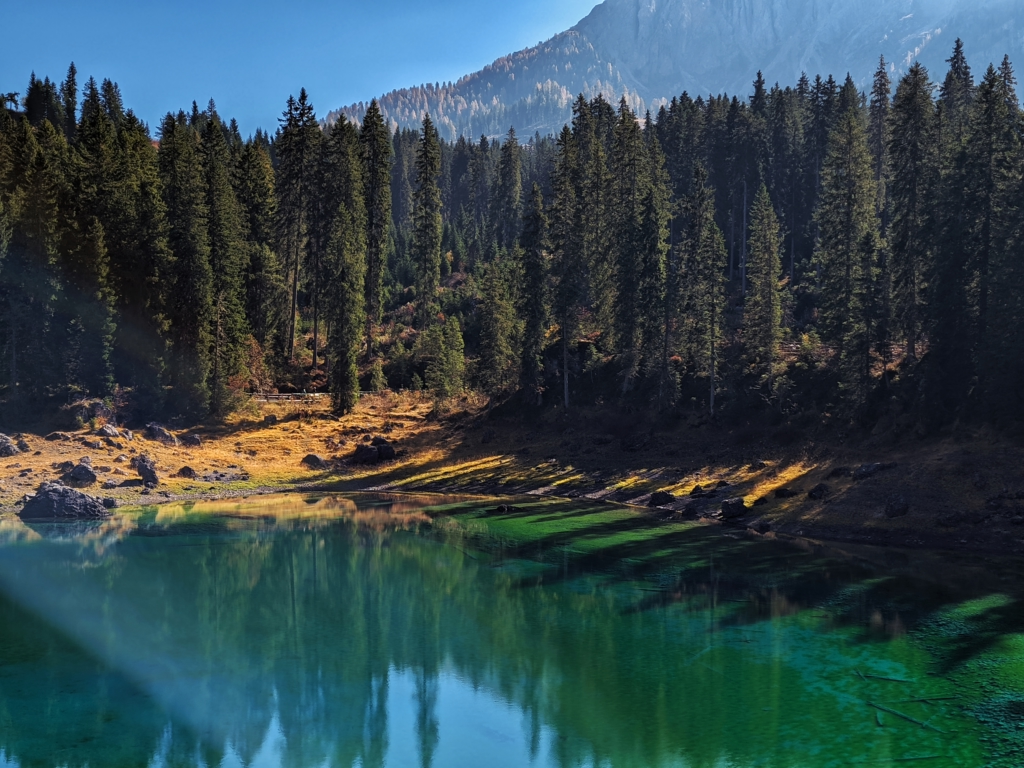
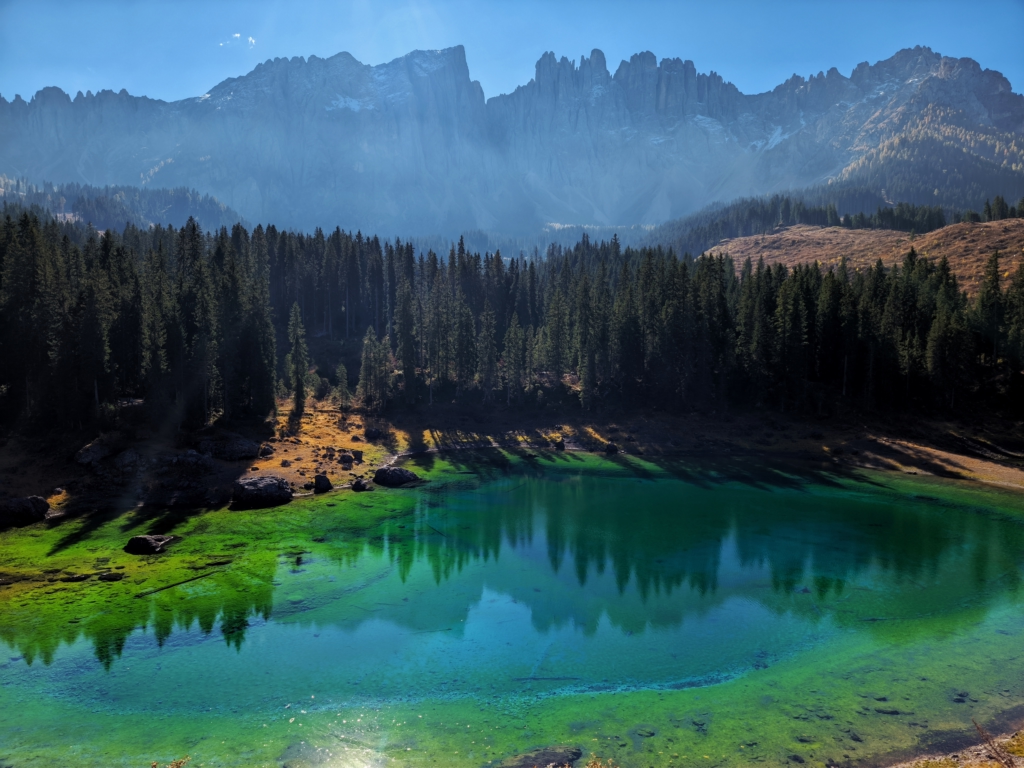
Karersee (Lago di Carezza in Italian, Lec de Ergobando in Ladin) is a small alpine lake in South Tyrol that has become one of the most photographed destinations in the Dolomites. If you’ve scrolled through wallpaper collections or nature photography, you’ve likely encountered this emerald jewel. The lake’s extraordinary colors – shifting between deep green, turquoise, and blue – combined with the dramatic Latemar and Rosengarten ranges reflected in its waters, create a scene that looks almost unreal.
Located at 1,520 meters above sea level in the Eggental valley, approximately 20 kilometers southeast of Bolzano, the lake measures roughly 300 meters long and 140 meters wide. Its depth fluctuates dramatically with seasons – up to 22 meters during high water periods, but shrinking considerably in autumn and winter when fed primarily by underground springs from the Latemar mountains.
How Karersee Was Formed
The Dolomites originated as coral reefs in the tropical Tethys Sea approximately 240 million years ago. When tectonic plates collided around 30 million years ago, these ancient coral deposits thrust upward to form the distinctive pale limestone peaks. The characteristic “towers” of the Latemar massif formed when volcanic activity created cracks that eroded more easily than surrounding rock, fragmenting the mountains into their current tower-like formations.
Karersee itself is a cirque lake carved by glacial activity during ice ages. The underground springs that feed it contribute to its extraordinary clarity and color.
The Rainbow Lake Legend
The Ladin name “Lec de Ergobando” (Lake of Rainbows) comes from legend. A water nymph named Ondina lived in the lake, captivating all who saw her. A sorcerer fell in love and created a rainbow from the Rosengarten to Latemar mountains to win her heart, but forgot his disguise. Ondina recognized the deception and disappeared into the lake forever. Enraged, the sorcerer hurled the rainbow and jewels into the water – which is why, legend says, Karersee shimmers with rainbow colors.
Getting There
Bus 180 runs directly from Bolzano to Karersee in less than an hour, departing approximately once per hour. Transportation apps often show extremely long buffer times between Bolzano’s train and bus stations, but the walk actually takes only 5 minutes.
Tickets: Complete information here. Day-trippers need to purchase a day pass or specific destination tickets. The ticket machines can be confusing, avoid the Stadt (city) tickets and select the specific Karersee destination pricing. If staying in South Tyrol, many hotels provide complimentary guest passes including public transportation.
At the Lake
The main viewing platform faces the lake with the Latemar Group behind it. This gets crowded when tour buses arrive. The restricted access to the water’s edge prevents chaos and ensures clear photo opportunities.
A circular trail loops around the lake in 20-30 minutes. The path stays elevated, separated by fencing to protect the lake’s ecology. Swimming is strictly prohibited year-round. Walking around provides different perspectives, particularly good views of the Rosengarten Group from the back side.
The tunnel connecting the parking area to the viewing platform contains toilet facilities – the only restrooms at the immediate lake area, which get crowded during peak times.
Carezza Village
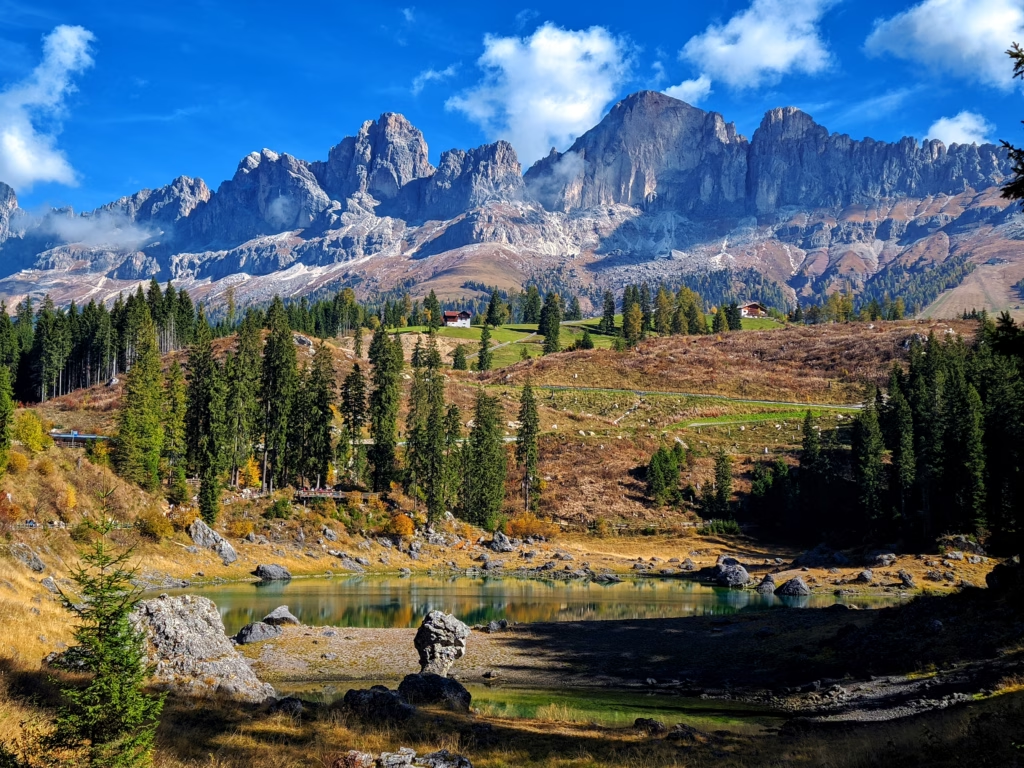
The nearby village of Carezza offers restaurants and hiking access. To walk there from the lake, follow the path alongside the lake, do not walk along the automotive road. The lakeside path makes the journey straightforward and scenic, avoiding unnecessary and dangerous detours.
Best Time to Visit
Spring-Summer (May-August): Maximum water levels from snowmelt, full range of colors visible, but peak tourist season with significant crowds. Water temperature reaches only about 13°C even in summer.
Autumn (September-October): Lower water levels but autumn forest colors add different beauty. Fewer crowds.
Winter: Lake freezes and becomes snow-covered. Different character entirely, popular with documentary filmmakers. Winter hiking boots required. Ice skating prohibited.
Early morning visits offer the best lighting and fewest crowds, particularly during summer before tour groups arrive.
What to Expect
Karersee is quite small, and the experience is primarily visual. Most visitors spend about an hour taking photos from the platform and walking the path. The scene is genuinely striking when conditions align: clear skies, proper lighting, decent water levels. It’s less impressive during low-water periods or flat overcast lighting.
The lake gets extremely crowded during peak season, with tour buses arriving throughout the day. The platform area can become congested, making photography challenging. Despite the crowds and small size, Karersee maintains the beauty that justifies its reputation as one of the Dolomites’ most photogenic destinations.
Karersee (Lago di Carezza in Italian, Lec de Ergobando in Ladin) is a small alpine lake in South Tyrol that has become one of the most photographed destinations in the Dolomites. If you’ve scrolled through wallpaper collections or nature photography, you’ve likely encountered this emerald jewel. The lake’s extraordinary colors – shifting between deep green, turquoise, and blue – combined with the dramatic Latemar and Rosengarten ranges reflected in its waters, create a scene that looks almost unreal.
Located at 1,520 meters above sea level in the Eggental valley, approximately 20 kilometers southeast of Bolzano, the lake measures roughly 300 meters long and 140 meters wide. Its depth fluctuates dramatically with seasons – up to 22 meters during high water periods, but shrinking considerably in autumn and winter when fed primarily by underground springs from the Latemar mountains.
How Karersee Was Formed
The Dolomites originated as coral reefs in the tropical Tethys Sea approximately 240 million years ago. When tectonic plates collided around 30 million years ago, these ancient coral deposits thrust upward to form the distinctive pale limestone peaks. The characteristic “towers” of the Latemar massif formed when volcanic activity created cracks that eroded more easily than surrounding rock, fragmenting the mountains into their current tower-like formations.
Karersee itself is a cirque lake carved by glacial activity during ice ages. The underground springs that feed it contribute to its extraordinary clarity and color.
The Rainbow Lake Legend
The Ladin name “Lec de Ergobando” (Lake of Rainbows) comes from legend. A water nymph named Ondina lived in the lake, captivating all who saw her. A sorcerer fell in love and created a rainbow from the Rosengarten to Latemar mountains to win her heart, but forgot his disguise. Ondina recognized the deception and disappeared into the lake forever. Enraged, the sorcerer hurled the rainbow and jewels into the water – which is why, legend says, Karersee shimmers with rainbow colors.
Getting There
Bus 180 runs directly from Bolzano to Karersee in less than an hour, departing approximately once per hour. Transportation apps often show extremely long buffer times between Bolzano’s train and bus stations, but the walk actually takes only 5 minutes.
Tickets: Complete information here. Day-trippers need to purchase a day pass or specific destination tickets. The ticket machines can be confusing, avoid the Stadt (city) tickets and select the specific Karersee destination pricing. If staying in South Tyrol, many hotels provide complimentary guest passes including public transportation.
At the Lake
The main viewing platform faces the lake with the Latemar Group behind it. This gets crowded when tour buses arrive. The restricted access to the water’s edge prevents chaos and ensures clear photo opportunities.
A circular trail loops around the lake in 20-30 minutes. The path stays elevated, separated by fencing to protect the lake’s ecology. Swimming is strictly prohibited year-round. Walking around provides different perspectives, particularly good views of the Rosengarten Group from the back side.
The tunnel connecting the parking area to the viewing platform contains toilet facilities – the only restrooms at the immediate lake area, which get crowded during peak times.
Carezza Village
The nearby village of Carezza offers restaurants and hiking access. To walk there from the lake, follow the path alongside the lake, do not walk along the automotive road. The lakeside path makes the journey straightforward and scenic, avoiding unnecessary and dangerous detours.
Best Time to Visit
Spring-Summer (May-August): Maximum water levels from snowmelt, full range of colors visible, but peak tourist season with significant crowds. Water temperature reaches only about 13°C even in summer.
Autumn (September-October): Lower water levels but autumn forest colors add different beauty. Fewer crowds.
Winter: Lake freezes and becomes snow-covered. Different character entirely, popular with documentary filmmakers. Winter hiking boots required. Ice skating prohibited.
Early morning visits offer the best lighting and fewest crowds, particularly during summer before tour groups arrive.
What to Expect
Karersee is quite small, and the experience is primarily visual. Most visitors spend about an hour taking photos from the platform and walking the path. The scene is genuinely striking when conditions align: clear skies, proper lighting, decent water levels. It’s less impressive during low-water periods or flat overcast lighting.
The lake gets extremely crowded during peak season, with tour buses arriving throughout the day. The platform area can become congested, making photography challenging. Despite the crowds and small size, Karersee maintains the beauty that justifies its reputation as one of the Dolomites’ most photogenic destinations.